


Wigs, especially human hair wigs, are a stylish and convenient way to alter your looks. However, tangling is a problem that annoys most wig wearers. Whether you use the wig daily or only on formal occasions, the tangles become extremely hard to manage. In this article, we’ll guide you on how to keep a wig from tangling with easy, practical tips that ensure your wig stays smooth, soft, and in perfect condition.
Why Do Wigs Tangle?
The why behind why wigs tangle is the beginning of stopping it. Several things can cause tangling, and it can range from the type of wig you have to how you take care of it. Let’s talk about:
Common Causes of Wig Tangling
Wigs become tangled due to various reasons, from environmental conditions to neglect. Let us go over the most common causes of wig tangling and how they can be effectively prevented.
- Friction and Movement: Wig movement, pillowcase friction, or even air movement can cause the wig fibers to rub against each other and form tangles.
- Lack of Moisture: As compared to normal hair, wigs will not naturally derive moisture from the scalp. The hair, as such, can dry more and get tanglier.
- Product Buildup: When products of the wrong nature or that have been excessively applied, your wig ends up accumulating buildup. This makes the hair strands adhere to each other and form tangles.
- Environmental Exposure: Sunlight, wind, and humidity can weaken fibers and increase knotting.
- Poor Washing & Drying: Using hot water, rough rubbing, or blow-drying can all worsen tangling.

Human Hair vs. Synthetic Wigs – Which Tangles More?
| Human Hair Wigs | Synthetic Wigs |
| Less prone to tangling if properly maintained | Lower maintenance |
| Can be treated like natural hair (moisturizing, heat styling) | Hold style better without daily styling |
| Requires more maintenance | More prone to tangling, especially with low-quality fibers |
| Prone to dryness without scalp oils | Can’t handle heat unless heat-friendly |
Conclusion: Choosing the Right Wig Matters
If you desire a lesser-tangling wig, human hair wigs will be the best choice. These are durable, but remember they require more effort in daily care and hence become smooth and tangle-free.
How to Keep Your Wig from Tangling – Proven Tips for Daily Care
Having discovered what makes your wig tangle, let’s examine the best methods for keeping your wig looking its best.
Use Gentle Detangling Techniques
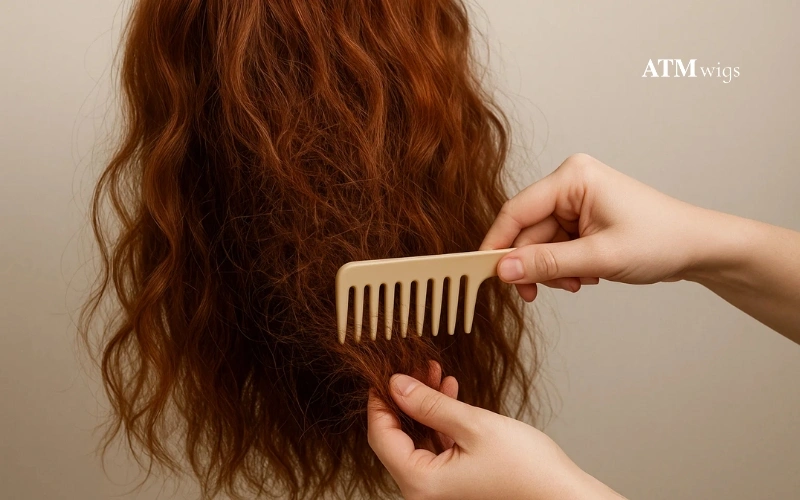
Brush Carefully: Always brush your wig out with a professional wig brush or wide-tooth comb. Begin brushing from the ends and work carefully through the roots. This will reduce the level of tugging and hair-dulling that occurs.
Avoid Brushing When Wet: Wigs are weaker and more likely to break while they are wet. Only brush the wig when dry to avoid tangling or stressing the fibers.
Maintain Moisture Levels
Condition Regularly: Wigs, similar to hair, need moisture to stay soft. Use a leave-in conditioner or a wig-specific serum to condition the fibers occasionally.
Limit Washing: Don’t wash your wig too frequently. Washing takes away natural oils (or synthetic alternatives) that prevent it from tangling. Wash your wig every 7-10 wears, or when it begins to exhibit product buildup.
Choose the Right Wig Products
Sulfate-Free Shampoos: Always use wig-safe products, such as sulfate-free shampoos and conditioners, to maintain the health of your wig. Never use products designed for human hair since they may not be suitable for synthetic fibers.
Protect Against Heat: In case you style your wig with heat tools, always pre-treat it with a heat protectant spray. Too much heat can weaken the fibers, cause tangling, and damage them.

Practice Smart Styling Habits
Avoid Tight Hairstyles: Ponytails or braids may cause tangling and friction. Use more natural, looser styles to reduce stress on the fibers.
Protect During Physical Activity: When you are outside or working out, keep your wig in place by braiding it or wearing it loosely in a ponytail. This will help lessen the impact of wind and movement.
Take It Off Before Sleeping or Swimming: Be sure to always take off your wig before swimming or sleeping. Sleeping in a wig creates friction against the pillow, while swimming subjects it to chlorine or seawater that is harmful and leads to tangling of the hairs.
Wash and Dry Correctly
Pre-detangle Before Washing: Before washing, try detangling your wig softly to remove any tangles. This will make washing easier and prevent further tangling.
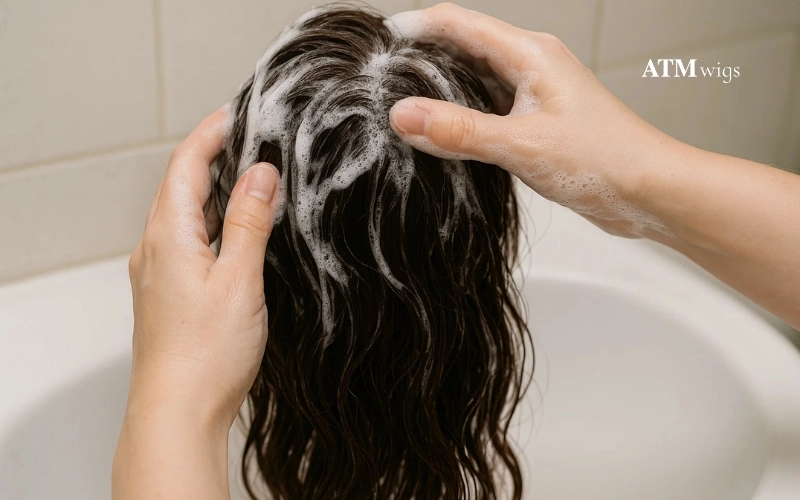
Use Cold Water: Only use cool or lukewarm water while washing your wig. Hot water will damage wig fibers, making them fray and tangle more. Massage the shampoo in gently without rubbing.
Dry with Care: When washing, do not twist or wring the wig. Instead, gently pat it with a microfiber towel and air-dry it on a wig stand or drying rack.
Store the Wig Properly
Use a Wig Stand: Keep your wig on a wig stand when you’re not wearing it so that it remains in shape. When traveling, store it in a protective case to prevent tangling.
Avoid Direct Sunlight: Don’t subject your wig to direct sun exposure because UV rays degenerate the fibers, causing them to dry and tangle easily.
Help! My Wig is Already Tangled – Here’s What to Do
Don’t worry if your wig is already tangled – we all experience tangled wigs at some stage! Use the following step-by-step guide to detangle your wig safely and restore it to its silky, beautiful look.

Start with a Detangling Spray or Leave-In Conditioner
Prior to brushing, the hair fibers need to be softened. Use:
- A wig-friendly detangling spray
- Or leave-in conditioner thinned with water (dilute 1 part conditioner to 2 parts water)
How to use it: Spray generously onto tangled sections, especially where the worst of the tangles are. Leave it on for 5 to 10 minutes to relax the fibers and reduce friction.
Tip: Avoid heavy, oily conditioners, especially on synthetic wigs—they tend to make the hair sticky or greasy.
Work in Small, Manageable Sections
Trying to brush out the entire wig at one time will do more damage than good. Try this instead:
- Clip the wig into small sections, about 1–2 inches wide
- Always start detangling from the ends of the hair, then slowly work your way up to the roots
If a section is severely knotted, divide it again into even smaller parts.
Use the Right Tools (and Be Gentle!)
With the correct comb, it makes a huge difference. Steer clear of fine-tooth combs or anything too abrasive.
Recommended tools:
- A wide-tooth comb
- A wig detangling brush
- Your fingers for very tight knots
How to detangle: Start at the ends and brush down lightly. Use fingers to gently tease out knots before combing. Never pull or yank — this can destroy the wig fibers or loosen wefts.
Never brush from top to bottom when tangles are in the wig — this will knot or break it further.
Rehydrate After Detangling
Your wig may be dry after detangling. Give it a little extra TLC:
- Gently mist with a wig conditioning spray or a non-oily serum
- Smooth it through with your fingers to revive shine and softness
If your wig is human hair, you can put a light hair serum (not heavy silicones or mineral oils) on it.
Let It Air Dry or Use Low Heat (Optional)
If the wig feels damp after treatment:
- The best thing to do is to air dry it naturally on a wig stand
- If you’re in a hurry, use a blow dryer on a cool or low heat setting, and keep it at least 6 inches away
Never use high heat on synthetic wigs — it can melt or damage the fibers.

When to Get Professional Help
If your wig is very knotted into massive clumps and you can’t comb them out without pulling hard, then it’s best to go to a professional wig stylist or a salon. Forcing it at home yourself can cause irreparable damage.
Recommended Tools and Products for Tangle-Free Wigs
To help keep your wig tangle-free, it would be a good idea to get your hands on some simple tools and supplies:
- Wide-tooth Comb / Loop Brush
- Sulfate-Free Shampoo
- Leave-in Conditioner or Wig Serum
- Heat Protectant Spray
- Microfiber Towel
- Silk or Satin Sleep Cap
- Wig Stand for Storage
FAQs About Wig Tangling and Maintenance
Why does my human hair wig tangle so easily?
Human hair wigs become tangled if they are lacking in adequate moisture, exposed to friction, or exposed to environmental stress. Adequate care and moisturizing can prevent this from occurring.
Can I use regular shampoo on my wig?
No, you should just use wig-friendly products. Your normal shampoos will have chemicals that ruin your wig fibers.
How often should I wash my human hair wig?
Shampoo your human hair wig around every 7-10 wearings, or when it becomes greasy-feeling or noticeably dirty.
Is it okay to brush my wig when it’s wet?
Brushing wet wigs can cause breakage and damage. Wait until your wig is dry before brushing it.
What’s the best way to store my wig overnight?
Store your wig on a wig stand or in a silk/satin bag to keep it from tangling and to maintain its shape.
Keeping your wig from tangling doesn’t have to be difficult. By following these simple tips and using the right tools, your wig can remain smooth, manageable, and tangle-free for longer. Explore ATM Wigs’ collection of premium, tangle-resistant wigs designed for long-lasting wear.

