

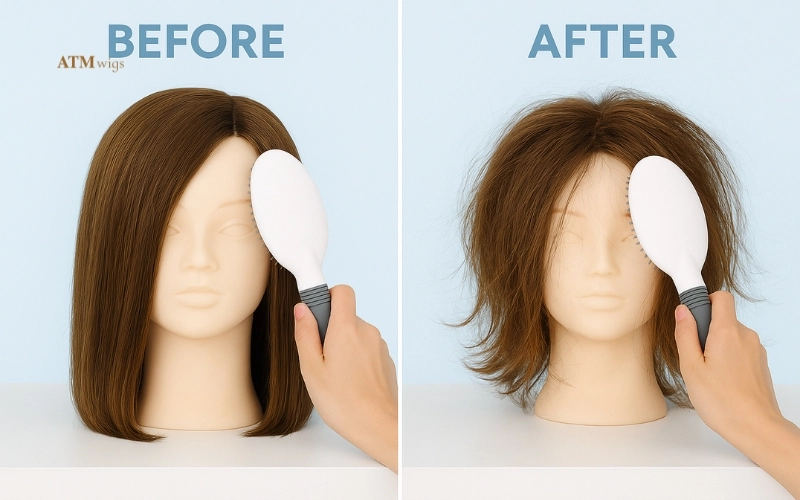
Brushing a wig might look simple, yet tangling, frizz, or shedding can easily occur when the improper equipment or method is applied. Since a wig is an investment, learning how to brush a wig is important to keep it looking its best, to smooth it out, and to extend its lifespan.
Why Brushing a Wig Correctly Matters
Wigs are carefully constructed from human hair or synthetic fibers. Each strand is carefully tied or stitched into a base so that harsh brushing doesn’t loosen fibers or devastate the cap. Brushing correctly:
- Gives a natural, smooth appearance.
- Prevents knots from becoming stubborn tangles.
- Reduces frizz and shedding over time.
- Keeps the wig looking new and wearable for an extended period.
When brushed properly, brushing is no longer routine upkeep—it becomes the key to maintaining your wig in optimal condition.
The Right Tools for Brushing a Wig
Proper equipment will brush your wig more easily and safely.
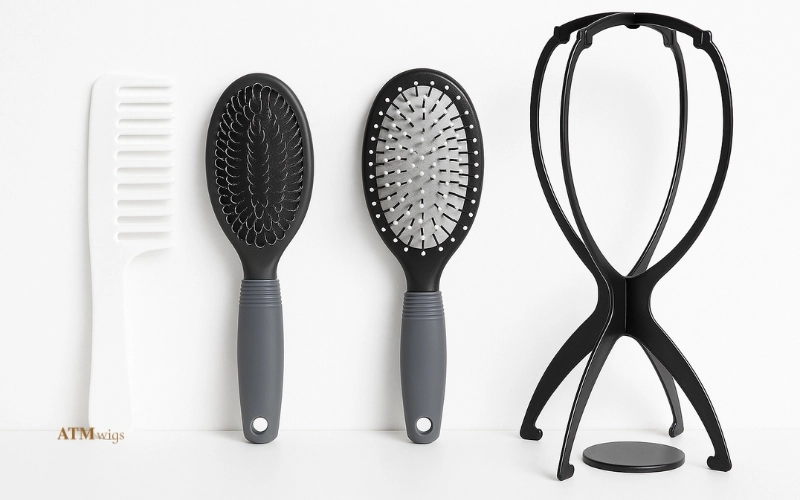
Wide-Tooth Comb
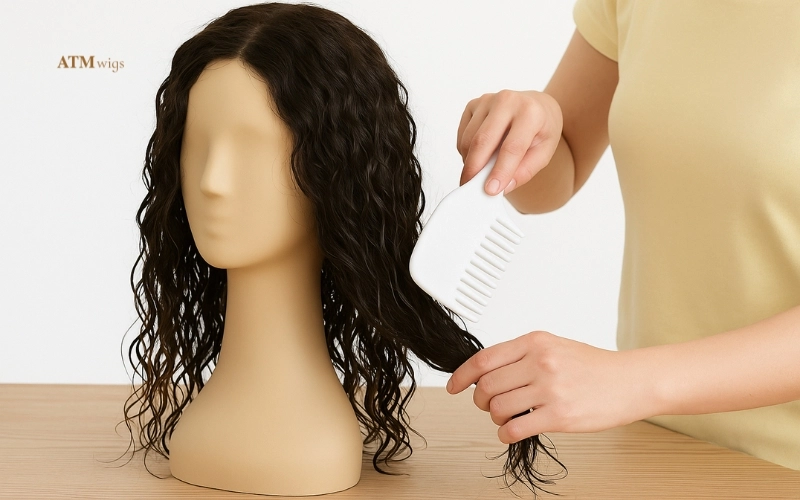
A wide-tooth comb works perfectly for detangling human hair wigs and curly textures. The wide tooth spacing prevents snagging and preserves curl definition without tugging.
Looper Brush
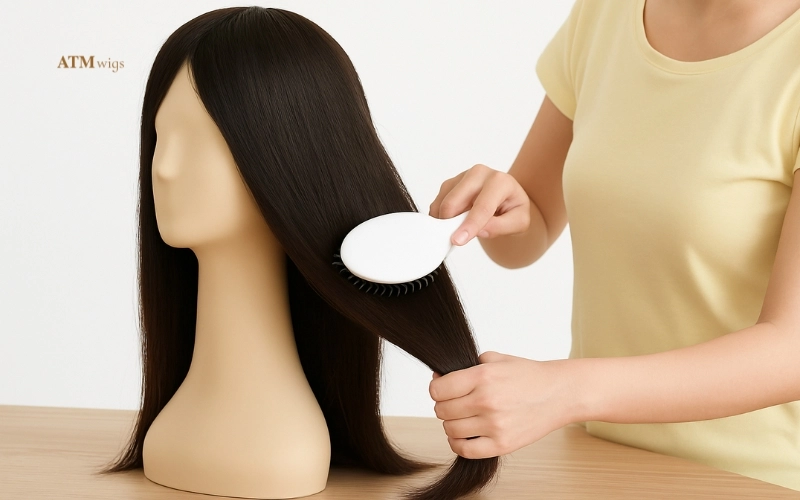
Designed specifically for wigs, a looper brush has looped bristles that glide through hair fibers without catching the cap or loosening strands. It is especially effective for synthetic wigs.
Paddle Brush (With Care)
For straight human hair wigs, a paddle brush can smooth and polish. Avoid brushes with beaded or sharp bristles since they break hairs or stretch the cap.
Supporting Products
- Leave-in conditioner or detangling spray: Softens hair and reduces friction.
- Wig stand or mannequin head: Supports the wig, allowing easy brushing.
Step-by-Step Method for Brushing a Wig
Adhering to a gentle process does not damage your wig while maintaining its smoothness.
Step 1 – Secure the Wig
Put the wig on a stand or mannequin head. When holding it in your hand, hold the cap firmly but gently to avoid stretching.

Step 2 – Section the Hair
Section the wig into small, workable sections. Working in parts keeps detangling more controlled and less straining on the fibers.
Step 3 – Start from the Bottom Up
Begin always at the lower ends of the hair, brushing in short, smooth strokes upward towards the roots. This avoids knocking the knots down and making them tighter.
Step 4 – Address Knots Gently
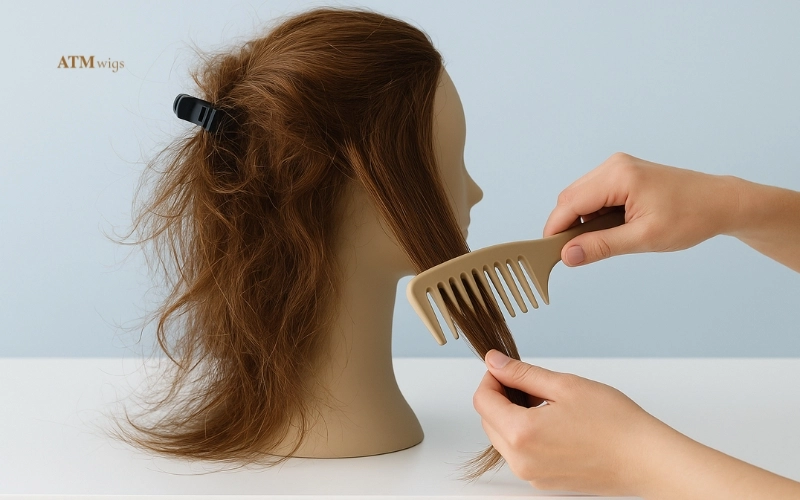
For especially knotty tangles, begin with your fingers or a wide-tooth comb. Lightly mist with detangling spray and then gently tease the strands apart before brushing.
Step 5 – Smooth and Style
Once the wig is completely detangled, the last, light brush from roots to ends will have it looking sleek.

Brushing Human Hair Wigs vs. Synthetic Wigs
Not all wigs brush the same way.
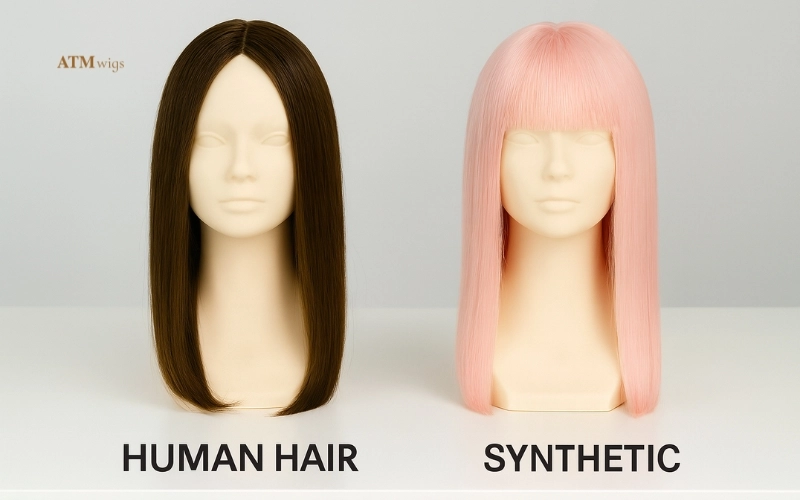
Human Hair Wigs
Human hair wigs are more resilient and can be brushed daily with proper care. They work effectively when using conditioning sprays and can tolerate paddle or boar-bristle brushes for smoothing. However, care should be taken to avoid shedding.
Synthetic Wigs
Synthetic wigs require special maintenance. They should only be brushed with a wig comb or looper brush and only when dry. Brushing while wet can stretch or permanently damage the fibers. Limit brushing to when it is absolutely necessary to preserve the style.
Brushing Different Wig Textures
Each wig texture needs slightly different care to keep its look intact.
Straight Wigs: The easiest to brush—just follow the step-by-step method and avoid overbrushing, which can increase shedding.
Curly or Wavy Wigs: Never drag a brush through dry curls. Instead, mist with water or leave-in spray and then finger or gently work apart with a wide-tooth comb. This keeps curls soft and frizz-free.
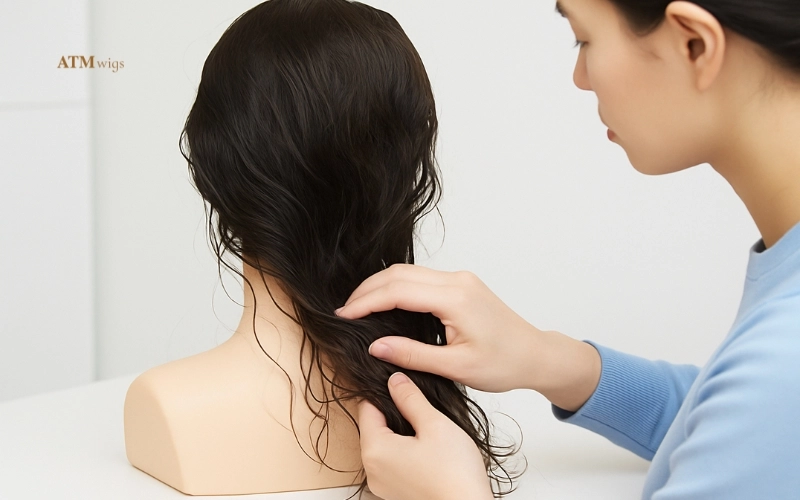
Long Wigs: Long wigs will become tangled at the nape of the neck. Brush this part lightly in small sections and detangle daily if worn often.
Common Brushing Mistakes to Avoid
The majority of wig owners inadvertently damage their wigs by brushing them incorrectly. Avoid making these common mistakes:
- Brushing while wet: Especially harmful on synthetic wigs.
- Regular hairbrushes: Catching on fibers and caps.
- Brushing from the roots: Pushing knots downward and exacerbating tangling.
- Brushing too roughly: Pulls strands from the base and increases shedding.

Pro Tips for Long-Lasting Smoothness
Small habits can make a big difference in how long your wig lasts.
- Always keep your wig tangle-free before washing it.
- Brush your wig gently after each use to prevent tangling from buildup over time.
- Wearing satin or silk pillowcases will reduce friction when wearing your wig.
- Condition with a wig detangling spray in between brushing.
FAQ – “How to brush a wig properly?”
How often should I brush my wig?
Ideally, it is soft brushing after each use. Human hair wigs must be brushed daily, while synthetic wigs must be brushed whenever they require it.
Can I use a regular hairbrush on my wig?
Not recommended. Regular brushes will degrade fibers and warp the cap. Use wig brushes instead.
My wig is frizzy—will brushing help?
Brushing may reduce tangles, but frizz is most often a result of static or dryness. Brush with a detangling spray to soothe frizz.
What’s the best way to remove a large knot?
Be patient. Apply detangling spray, gently separate with fingers, then use a wide-tooth comb. Never yank at the knot.
Should I brush my wig before or after washing?
Always brush before washing. This prevents tangles from becoming tighter while being cleaned.
Knowing how to brush a wig correctly is the key to maintaining it smooth, natural, and long-lasting. With the right tools, gentle strokes, and regular care, your wig will be beautiful wear after wear. For high-quality human hair wigs and professional care services, shop ATM Wigs‘ catalog today.

