


Wigs provide convenience, confidence, and flexibility of style. But whether you wear one every day or now and then, you’ve probably asked yourself: How long does a wig last? In this guide, we’ll discuss what affects wig longevity and how to keep your investment safe with care.
What Affects a Wig’s Lifespan?
Wig durability is not entirely based on cost. Several key factors work together to determine how long a wig will hold its shape, shine, and structure.
Does Hair Type Impact Wig Longevity?
Yes—and considerably. Fiber hair is the foundation of your wig’s durability.
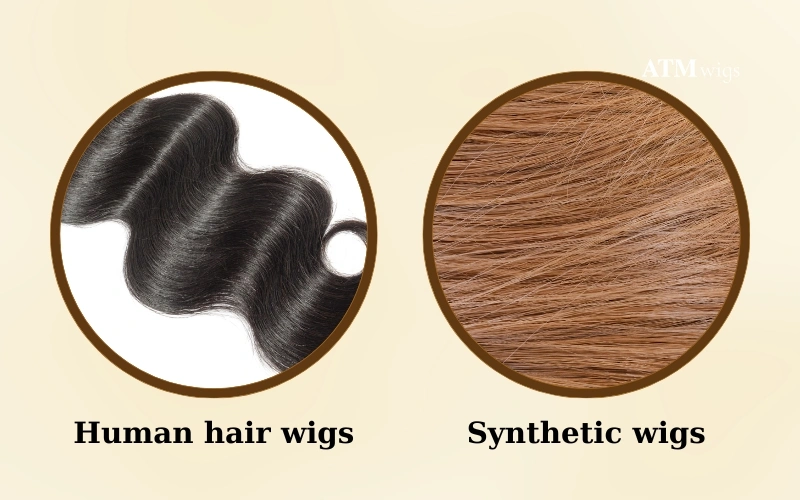
Human hair wigs normally endure 1-3 years under regular care. Better quality wigs like Remy or virgin hair may go even beyond that period. These are heat-style-able as well as shampooye like actual hair, but more so require care to be sustained.
Synthetic wigs, on the other hand, last only a limited time—around 4 to 12 months. Common synthetics are less likely to frizz and hold their style, but cannot be heat-styled. Heat-styleable synthetic wigs are more versatile in styling but break down faster as a result of fiber deterioration.
How Often Do You Wear the Wig?
Frequency of use is a direct contributor to wear and tear.
- Daily wear puts more stress on wig fibers and cap construction, especially around high-friction areas like the nape.
- Occasional use greatly extends the life of the wig.
- Changing wigs also takes pressure off a single unit and allows for optimal resting and care in between wear.
How Does Your Care Routine Affect Durability?
Your routine of wig care significantly influences longevity.
- Washing: Excessive washing dries out synthetic and human hair wigs. Wash every 6–8 uses for synthetics and 1–2 weeks for human hair.
- Conditioning: Use light, wig-specific conditioners to keep it soft and humid.
- Drying: Air drying is always the best. Do not use hot blow-dryers, which can destroy fibers.
- Styling: Heat styling reduces lifespan, even on human hair wigs. Always use heat protectant sprays.
- Storage: Put your wig on a stand or store it in a satin bag so it does not tangle and suffer from fiber stress.

How Important is Wig Construction Quality?
Cap quality often determines how well a wig withstands time and tension.
- Hand-tied and lace front constructions produce natural looks but are more delicate and will exhibit wear in the part region or at the hairline.
- Monofilament tops mimic natural scalp appearance but are more delicate.
- Machine-made caps are stronger but less natural.
Good construction helps to minimize shedding and stretching, enabling your wig to maintain its fit and appearance longer.
How Long Do Different Types of Wigs Last?
Let’s divide it up into rough lifespans for various types of wigs.
How Long Do Human Hair Wigs Last?
Human hair wigs last 1 to 3+ years with good care.
- Daily use can eat into that to the lower end of that estimate.
- Occasional use, deep conditioning, and gentle styling can significantly extend lifespan.
- Using wig-safe shampoos and serums preserves the cuticle layer and prevents tangling.
Pro Tip: Well-constructed human hair wigs, especially those that are made out of Remy hair, will last longer than three years under good care.
How Long Do Synthetic Wigs Last?
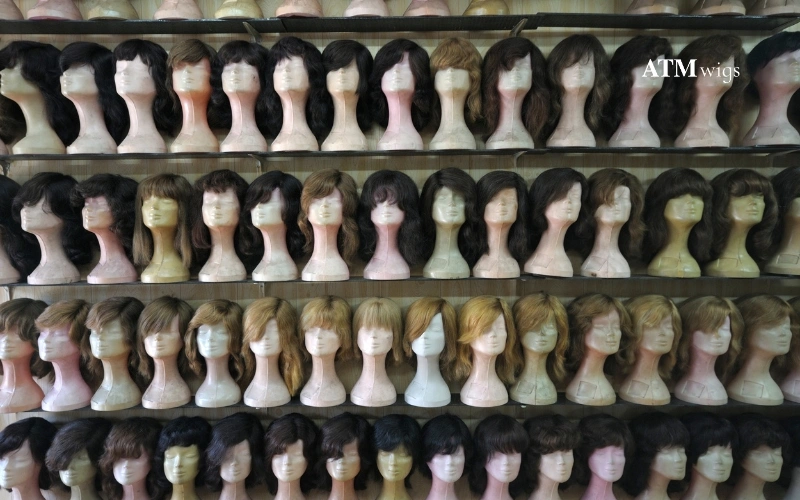
Most synthetic wigs are still usable for 4 to 12 months, depending on fiber content and usage.
- Heat-friendly synthetic wigs might only last 3–6 months when worn every day because of fiber fatigue.
- Normal synthetic wigs hold their style better and normally will last about one year with minimal handling.
Avoid using heat tools and brush gently at all times to prevent fraying and static buildup.
How Long Do Lace Front and Full Lace Wigs Last?
These constructions provide realism but require special care.
- Lace front wigs last 6–18 months, depending on adhesive use and how well they’re maintained.
- Full lace wigs, although more breathable and adjustable, are fragile and will need to be repaired sooner if not well maintained.
Careful removal of adhesive and periodic cleaning of the lace will extend the lifespan.

How Long Do Hair Toppers and Toupees Last?
The life of toppers and toupees is largely dependent on the attachment method.
- Clip-in toppers can last 12–18 months when used occasionally.
- Tape-in or bonded toupees have a life of 6–12 months, particularly when professionally attached.
Constant reattachment can strain the base, so avoid aggressive pulling or overwashing.
Tips to Make Your Wig Last Longer
Keeping your wig well-maintained not only saves its natural appearance but also hugely increases its shelf life. Listed below are tip-backed strategies that will make your investment pay for itself.
Handle Your Wig Gently
Always groom your wig with utmost care, just as you would do with natural hair. While applying or taking it off, never pull on the hair strands or the lace, which can cause shedding or damage to the cap. Use a wide-tooth comb or brush your wig, starting from the bottom and working upwards. This avoids breaking off the hair and helps preserve the fibers.
Use the Right Hair Care Products
Regular conditioners and shampoos containing sulfate, alcohol, and heavy silicone bases are not meant for wigs. They weaken and dry the hair fibers. Use products formulated specifically for wigs. They are pH-balanced, soft, and protect the shine while cleaning the wig, be it’s a synthetic or human hair wig.

Rotate Wigs for Daily Wear
If you wear wigs every day, consider having several and rotating them. Wearing the same wig daily accelerates wear and tear. By rotating between wigs, each one gets a break to air out and stay in good condition, avoiding oil buildup, sweat, and product residue clogging pores. This can greatly extend the life of each.
Store Wigs Properly
Where you store your wig can be the difference between it lasting long or not. Set it on a wig stand or mannequin head to preserve its shape whenever possible. In case there’s no room for that, keep it in a satin or silk pouch to maintain its dustlessness and prevent rubbing. Store wigs away from direct sunlight or heat vents under any circumstances since both will cause the fibers to dry and create fading or brittleness after a while.
Invest in Professional Maintenance
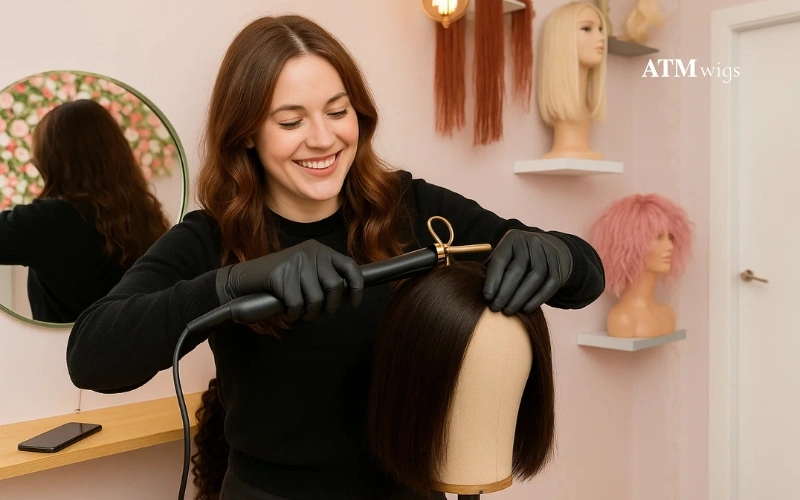
Frequent visits to a professional stylist, for human hair wigs especially, will help with quality and appearance upkeep. Deep conditioning treatment, professional washing, and restyling services will restore the hair and fix minor wear. Specialists can also redo lace fronts or cap construction when needed. These services are a smart investment to maintain quality wigs for the long haul.
When Should You Replace Your Wig?
No matter how great the care, no wig will ever last forever. Replace your wig if you notice:
- Heavy matting or tangling
- Unnatural shine or dullness
- Loss of shape or form
- Shedding or balding areas
- Cap stretching, ripping, or fraying lace
Use your judgment—if your wig no longer makes you feel good, it’s time to replace it.
FAQ – How long does a wig last?
How long do human hair wigs typically last?
Between 1 and 3 years, depending on usage and care.
How long do synthetic wigs usually last?
Typically 4 to 12 months. Heat-friendly styles tend to wear out quicker.
Can I extend the life of a synthetic wig?
Yes. Avoid heat, store it properly, and use wig-safe detangling sprays.
What are the signs my wig is wearing out?
Tangling, dullness, shedding, or a loose/damaged cap.
Do more expensive wigs last longer?
Usually. Premium materials and craftsmanship tend to resist wear better.
Can I use regular hair products on my wig?
No. Products can ruin fibers—use only wig-specific products.
How often should I wash my wig?
Every 6–8 wears for synthetic; every 1–2 weeks for human hair wigs.
So, how long does a wig last? This varies based on hair type, wear frequency, care process, and construction. With the right care, your wig will last much longer than anticipated. In need of a new unit or top-shelf care supplies? Check out ATM Wigs‘ high-end selection today.

