

Wig brushes play an essential role in keeping wigs smooth, natural-looking, and long-lasting. Using the right brush helps prevent shedding, breakage, and frizz—especially with human hair wigs. This guide explains how to choose and use wig brushes correctly for optimal care.
What is a wig brush?
A wig brush is a grooming tool specifically designed to detangle and style wigs without damaging the hair or the wig cap. Unlike regular hair brushes, wig brushes are created to reduce tension and protect delicate knotting and cap constructions.
Using a proper wig brush helps maintain the original texture of the wig and prevents unnecessary wear. This is especially important for human hair wigs, which require more careful handling than synthetic fibers.

How wig brushes differ from regular hair brushes
Regular hair brushes are designed for hair that grows from the scalp and can tolerate pulling at the roots. Wigs, however, are attached to lace, mono, or other cap bases that can loosen if stressed.
Wig brushes typically feature softer, more flexible bristles that glide through hair instead of tugging. This helps preserve the wig’s structure and overall appearance.
Why using the wrong brush can damage your wig
Using an unsuitable brush can cause excessive shedding, breakage, and frizz. Sharp or tightly packed bristles may snag hair at the knots and weaken the base over time.
Repeated use of the wrong brush shortens the lifespan of a wig and affects how naturally it lays and styles.

Types of wig brushes (and when to use each)
Different wig brushes serve different purposes. Choosing the right one depends on hair type, wig construction, and styling needs.
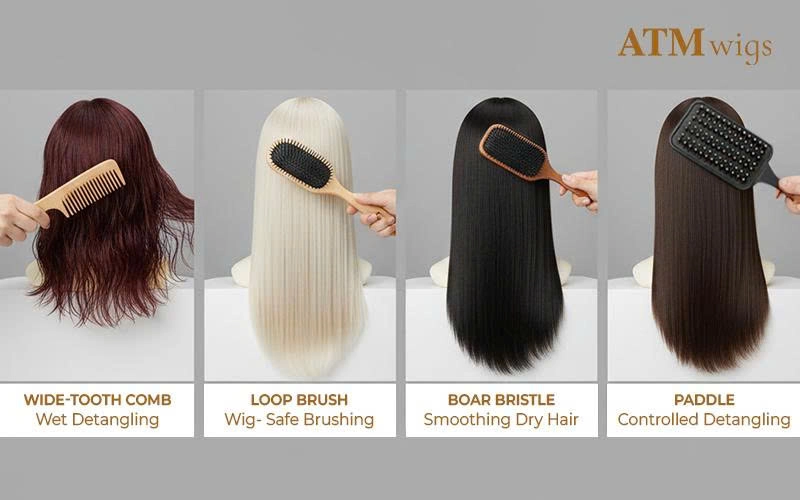
Wide-tooth comb
A wide-tooth comb is ideal for detangling wigs, especially when the hair is damp. The wide spacing reduces friction and allows knots to loosen gradually.
This tool works well for human hair wigs, toppers, and toupees after washing or conditioning.
Loop brush (wig-specific brush)
Loop brushes feature looped bristles instead of traditional pins. These loops glide over the hair surface without pulling at the base.
They are suitable for both human hair and synthetic wigs and are commonly used for daily maintenance.
Boar bristle brush
Boar bristle brushes help distribute natural oils evenly along the hair shaft, improving shine and smoothness. They are best used on dry human hair wigs.
This brush type should not be used on synthetic wigs, as it can cause friction and static.
Paddle brush (when it’s safe to use)
Paddle brushes may be used on fully dry, high-quality human hair wigs with durable construction. They should only be used gently and for smoothing, not heavy detangling.
Avoid paddle brushes near lace fronts or fragile cap areas.
Best wig brush for human hair wigs
Human hair wigs behave similarly to natural hair but lack the scalp’s natural oil supply. This makes them more vulnerable to dryness and mechanical stress.
Using the right wig brush helps preserve the cuticle structure and reduces unnecessary breakage.
Why human hair wigs need special care
Human hair wigs can develop split ends and frizz if brushed incorrectly. Friction, tension, and improper tools can all compromise hair quality.
Gentle brushing combined with the correct tools helps maintain softness and longevity.
Recommended brush features for human hair wigs
The best wig brushes for human hair wigs typically include flexible bristles, rounded tips, and anti-static materials. These features allow the brush to glide smoothly through the hair.
A well-designed brush supports styling without weakening the wig base.
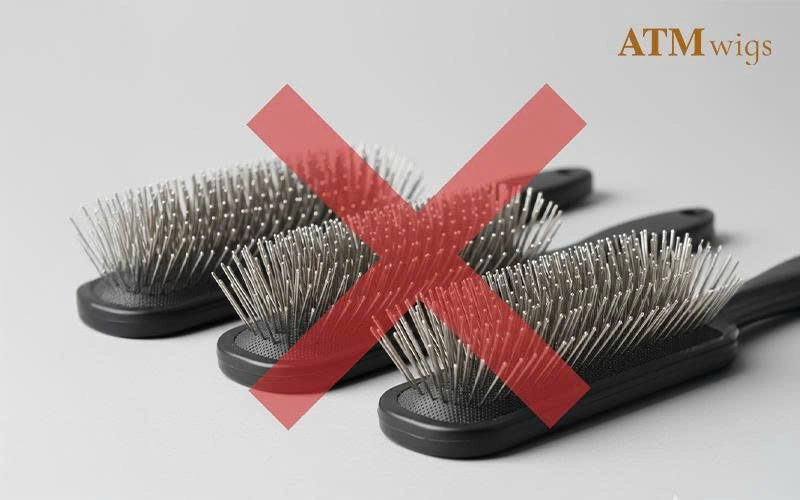
Brushes to avoid on human hair wigs
Avoid brushes with sharp metal pins, fine plastic bristles, or teasing designs. These can damage the hair cuticle and loosen knots over time.
Even premium human hair wigs can suffer from repeated use of improper tools.
How to brush a wig without causing damage
Proper brushing technique is just as important as the brush itself. Incorrect handling can lead to avoidable wear and tear.
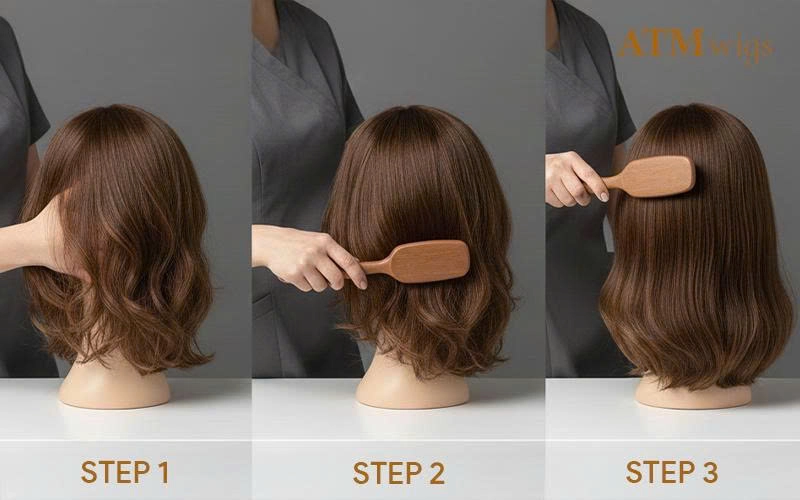
Step-by-step wig brushing technique
Hold the wig securely at the cap to minimize tension. Start brushing from the ends and gradually work upward in small sections.
Use slow, gentle strokes and avoid forcing the brush through tangles.
Brushing wet vs dry wigs
When a wig is wet or damp, always use a wide-tooth comb. Wet hair is more elastic and prone to stretching or breaking.
Once completely dry, a wig brush or boar bristle brush can be used for styling and smoothing.
How often should you brush a wig?
Light brushing can be done daily to keep the wig neat and manageable. Deep detangling should only be done when necessary.
Over-brushing may lead to unnecessary friction and wear.
Wig brushes for different wig types
Different wig constructions require slightly different brushing approaches to maintain their integrity.
Brushes for lace front wigs
Lace front wigs need extra care around the hairline. Brush gently and avoid placing pressure directly on the lace.
Loop brushes or wide-tooth combs are usually the safest options.
Brushes for toppers and toupees
Toppers and toupees cover smaller areas and often blend with natural hair. Smaller brushes or combs provide better control.
Pay close attention to blending areas for a seamless finish.
Long vs short wigs: does the brush change?
Long wigs benefit from flexible brushes that reduce tension along the length. Short wigs require precision and lighter pressure.
Choosing the right brush helps maintain shape and style.
How to clean and maintain your wig brush
A clean brush prevents residue and product buildup from transferring back onto the wig.
Why brush hygiene matters
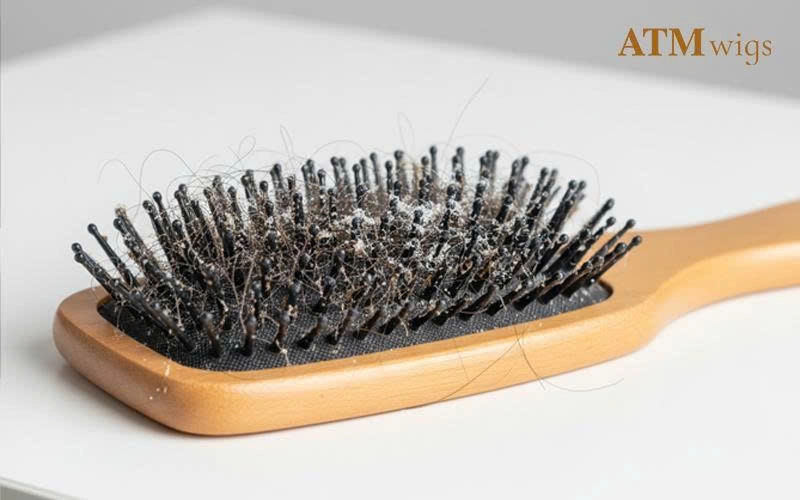
Hair products, oils, and dust can accumulate on brush bristles. This buildup can affect how the wig looks and feels.
Clean tools support healthier wig maintenance overall.
How to clean a wig brush properly
Remove hair after each use. Wash the brush weekly with mild shampoo and lukewarm water.
Allow it to air dry completely before using it again.
Wig brush vs regular hair brush: is there really a difference?
Although they may look similar, wig brushes and regular hair brushes are designed for different purposes.
Side-by-side comparison
Wig brushes focus on reducing tension and protecting delicate construction. Regular hair brushes are designed to stimulate the scalp and detangle natural hair.
Over time, the difference becomes noticeable in wig longevity.
When a regular brush might be acceptable
In limited situations, a regular brush with soft, rounded bristles may be used on dry, durable human hair wigs.
However, a proper wig brush is still recommended for consistent care.
Common mistakes when using wig brushes
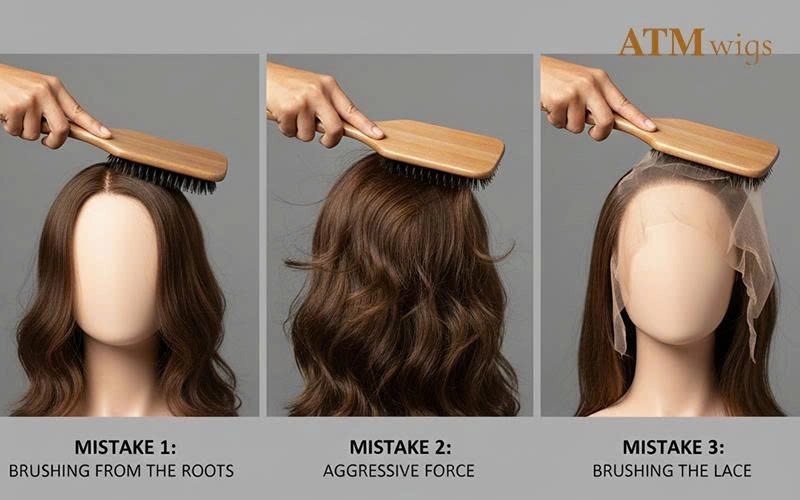
Common mistakes include brushing from the roots, pulling through knots, or using the same brush for natural hair and wigs.
Correcting these habits can significantly extend a wig’s lifespan.
How to choose the best wig brush for your needs
The right wig brush depends on hair texture, wig length, and how frequently the wig is worn.
Straight wigs generally require less aggressive tools, while wavy or curly wigs benefit from wider spacing and flexibility.
FAQs about wig brushes
What is the best brush for a human hair wig?
A flexible wig brush or wide-tooth comb is best for preventing breakage and shedding.
Can I use a regular hair brush on my wig?
Only occasionally, and only on dry human hair wigs with gentle handling.
Do wig brushes reduce shedding?
Yes, when used correctly, they help minimize tension at the knots.
How often should I brush my wig?
Light brushing can be done daily, while deep detangling should be occasional.
Can the wrong brush ruin a wig?
Yes, repeated use of unsuitable brushes can permanently damage the hair and cap.
Choosing the right wig brushes is essential for maintaining a natural look and extending wig lifespan. With proper tools and techniques, wigs remain smoother and easier to manage over time. Explore premium wig care solutions and collections from ATM Wigs to keep every piece performing at its best.

