

Choosing between lace front vs full lace wig can be very overwhelming since either of these wigs can provide a natural and qualitative look. This guide lays down the differences, benefits, and best uses so that you will confidently make a well-informed decision.
Understanding the foundation: what is wig cap construction?
How a wig is built underneath-its cap construction-directly influences comfort, breathability, styling freedom, and application. Whether it be personal wear or consultation for clients in a salon, the cap foundation is paramount. Cap construction becomes the framework that dictates just how natural the wig looks, moves, and feels throughout the day.
Among human hair wigs, the most popular and high-quality constructions are lace front and full lace. While they are both used with thin lace material as the base to imitate one’s scalp, the positioning, flexibility, and method of construction differ in truly huge ways.

What is a lace front wig?
Definition & structure
A lace front wig has the lace panel only at the front hairline, which is usually 3 to 6 inches deep. The sides and the back are constructed with stronger machine-made materials, usually wefted tracks, elastic netting, or polyurethane. This construction provides a natural hairline with durability and economy for the rest of the cap.
The lace front design creates a natural transition from the skin to the wig, and the front is almost undetectable. That is why lace fronts are the most common choice for any beginner or everyday wearer.
Key features of lace front wigs
The most overriding plus of lace front wigs is their ability to imitate a hairline very naturally. The lace blends smoothly with the skin and, depending on the cap design, can often be worn glueless. The machine-made back also helps it hold its shape and is friendly for frequent use.
Because lace is only in the front, the parting space is limited to the frontal area. This makes lace front wigs ideal for down-styles, side parts, and center parts-but less suitable for high ponytails or hairstyles that expose the back of the cap.

Pros of lace front wigs
Lace front wigs are generally cheaper due to less hand-labor required. The machine-made foundation makes this type of wig more durable, particularly at the most stressful points, like the back and sides. Many lace front wigs also include adjustable straps and combs, making them excellent glueless options.
For beginners, lace fronts are simple and reliable and have a very natural appearance in the front area.
Cons of lace front wigs
Lace fronts do give you a natural hairline, but the space on the lace limits styling options. High ponytails or updos may expose those thicker, non-lace cap areas. Breathability is great at the front but less so at the back; because of this, the machine-made sections can feel warmer over time.
What is a full lace wig?
Definition & structure
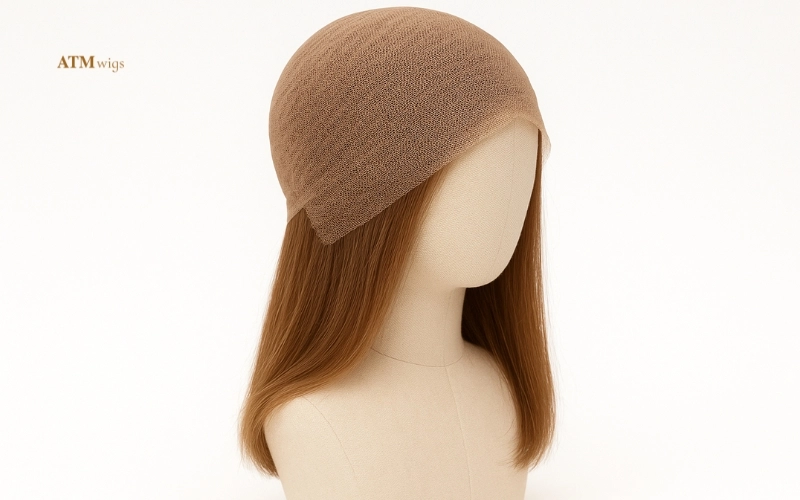
A full lace wig is entirely made of lace material, usually Swiss lace or ultra-thin HD lace. Every strand of hair is individually hand-tied to the cap, creating the highest level of realism and flexibility. Such a construction makes it possible for the wig to move naturally and imitate how the hair grows from the scalp across the head.
As the base is fully lace, full lace wigs allow complete freedom in parting and styling.
Key features of full lace wigs
A 360 lace perimeter and a fully hand-tied cap are some of the great features of full lace wigs. This will enable the wig to be parted anywhere, and it can be styled into high ponytails, buns, updos, or half-up without showing any evidence of machine-made parts. This lace also makes the wig very light and highly breathable, perfect for those with sensitive scalps or warmer climates.
Comfort, combined with styling versatility, culminates in making full lace wigs a superior choice for those users desiring the most natural and flexible experience.
Pros of full lace wigs
The predominant advantage of a full lace wig is its unbounded versatility. Be it sleek ponytails, beautiful braids, deep side parts, or free-flowing styles-the possibilities are really endless with a full lace wig. The lace construction also ensures proper ventilation and reduces heat buildup with long wear.
Full lace wigs have the most natural movement because the whole cap is hand-tied. The hair lifts and falls and shifts like real hair growing from the scalp.
Cons of full lace wigs
All-lace caps are more fragile and call for tender treatment. The lace will be stressed with repeated tension, rough brushing, and/or improper installation. A full lace wig also costs more money due to the time-consuming hand-tying process.
Their installation is a bit more advanced, especially for updo styling, where full perimeter security matters. Beginners might need some practice to achieve a clean and natural look.
Lace front vs full lace wig: head-to-head comparison
Styling versatility & movement
Full lace wigs are absolutely at the top when it comes to offering the user freedom in styling. Users can part the wig anywhere, wear high ponytails, secure high buns, or create complex updos without exposing the cap. The 360-degree lace perimeter supports complete styling freedom.
Lace front wigs offer beautiful natural hairlines but limited parting space. They are perfect for down-styles, soft curls, straight looks, and low ponytails. They are not as flexible for styles that call for lifted or exposed back areas.

Comfort, breathability & weight
Because lace covers the entire cap, full lace wigs provide maximum airflow. This creates a lighter feel and reduces heat buildup, thus making full lace wigs ideal for long wear, active days, or warmer temperatures.
Lace front wigs still allow decent ventilation at the front, but the machine-made back feels somewhat thicker or warmer. In general, they have more structure and stability, which some users prefer for daily use.
Durability & lifespan
The more lace the wig has, the more delicate it becomes. Full lace wigs need to be handled with great care; proper storage will help you prevent tears. Their life span, therefore, depends much on maintenance, skilful installation, and gentle daily use.
Lace front wigs are usually more durable since the back is reinforced with machine-made materials. This additional base is strong enough to hold up to daily wear, hence a good starting point for any beginner or frequent user of wigs.
Price point & value
Lace front wigs are generally more affordable because most of the cap uses machine construction. They deliver excellent value for users who want a natural front hairline without paying for full cap lace.
Because full lace wigs require the entire cap to be hand-tied, they tend to be a higher investment. This higher price directly correlates with increased versatility, breathability, and realism.
Choosing the right wig type for your needs
Application method: glue vs glueless
Full lace wigs can often be worn glueless if they include elastic bands or combs, but many users prefer adhesive for a flatter, more secure fit across the entire perimeter-especially when wearing high ponytails.
Lace front wigs are great, glueless options. Adjustable straps, built-in combs, and a structured back help the wig stay firmly in place with minimal effort. Adhesive can still be applied for an ultra-natural frontal look, but is not always required.
Usage scenario & lifestyle
For daily wear, active days, or even those who are new to wigs, lace front wigs strike an ideal balance of ease and durability with affordability.
Full lace wigs offer realism and comfort in unmatched ways on those special occasions, for professional photography, for clients experiencing total hair loss, or for users who love high ponytails and updos.
Your lifestyle and styling habits should guide your final choice.

FAQs about lace front vs full lace wig
Is a full lace wig always better than a lace front wig?
Not necessarily. While full lace is far more versatile in styling and breathable, lace front is more durable and cost-effective. It would depend on your styling needs and, of course, budget.
Can I wear a full lace wig without glue?
Yes, many full lace wigs come with bands and combs for glueless wear. However, adhesive is recommended for the flattest, most secure melt-especially for updos.
Which wig type is easier for beginners?
Lace front wigs are friendlier for beginners, as one only needs installation on the frontal hairline, and the rest of the back will remain intact with less customization.
How long do lace front and full lace wigs last?
Both can last six months to over a year, according to the quality of hair, maintenance, and application. In full lace wigs, repairs may be needed more often because the lace across the cap is very delicate.
Which wig is more breathable?
A full lace wig is more breathable because the whole cap is lace and allows air to circulate freely.
Of these two options, each has unique strengths, but knowing the difference between lace front vs full lace wigs helps you pick out the right match according to your comfort, style, and way of living. Discover ATM Wigs’ various collections in human hair to find your perfect fit.

