


Understanding how to take care of a wig is essential in ensuring that its beauty, comfort, and lifespan are maintained. Everyday and long-term care with either human hair or synthetic ensures that your investment is protected. Proper care keeps your piece perfect, wear after wear.
Know Your Wig Type Before You Begin
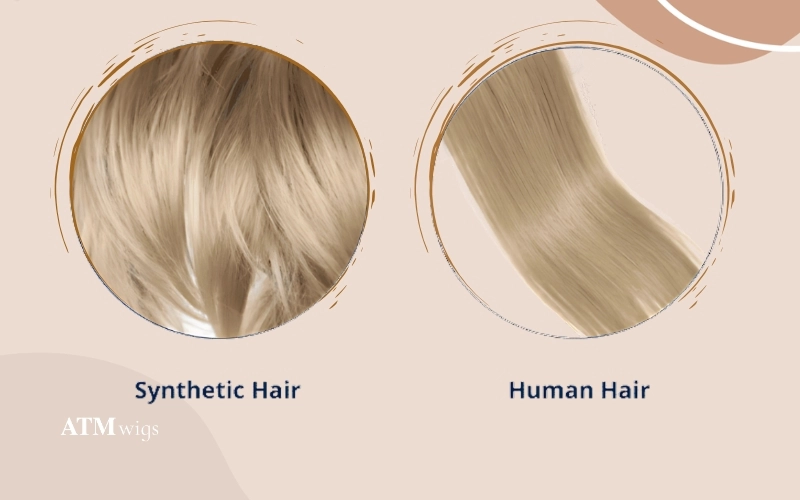
Different wigs are maintained differently. Human hair wigs are more adaptable but more high-maintenance. Synthetic wigs are easier to maintain but less forgiving of abuse.
Human hair can be heat-styled, colored, and used heavily. Synthetic hair, not being heat-treated, must be treated gently and never exposed to high heat. Toppers and toupees have their own special maintenance needs depending on the base material.
Knowing the fiber type of the wig, construction (machine, monofilament, or lace front), and intended use allows you to choose the proper care products and tools.
Daily Wig Care to Maintain Shape and Shine
Detangle your wig gently after every use. From the ends, use a wide-tooth comb or a loop brush specifically designed for wigs. Avoid yanking, especially from the base.
After removing the wig, place it on a stand or mannequin head to preserve its form. This helps prevent flattening and keeps styled wigs, like curls or waves, intact.
For daily wearers of wigs, try having two units and switching between them. This reduces wear and tear on any single unit and increases overall lifespan.

How Often Should You Wash a Wig?
Frequency is based on how often the wig is being used and where. Human hair wigs generally need to be washed every 8–10 uses. Synthetic wigs, every 10–15 uses.
If the wig is exposed to heavy sweat, smoke, or hair product buildup, you may need to clean it more often. However, overwashing strips moisture and leads to dryness or matting.
Pet and sniff your wig—if it feels sticky, heavy, or has a strong odor, it’s time to clean it. Heavy wearers, like salon demo wigs, need to be on a more frequent rotation.

Step-by-Step: How to Wash a Wig
Start by softly detangling the wig. Fill a sink or basin with cold to lukewarm water and add a bit of wig shampoo. Avoid hot water, which ruins fibers.
Submerge the wig and swirl it gently. Don’t rub or scrub. Rinse thoroughly with clean water. For human hair, apply a sulfate-free conditioner and let it sit for 5–10 minutes.
Rinse and softly blot with a microfiber towel—never wring out. Hang the wig to dry. Never use a blow dryer, especially with synthetic wigs, unless heat-friendly is specified.

Styling Without Damaging Your Wig
Human hair wigs can be curled, flat-ironed, or blow-dried, but always with a heat protectant. Use low to medium heat to prevent drying out the strands.
Synthetic wigs should not be heat-styled unless labeled “heat-resistant.” Otherwise, try foam rollers or wig-safe steam appliances to achieve soft waves or volume.
Use only wig-approved styling products. Avoid using sprays that contain alcohol or heavy gels that will build up and weaken hair fibers. Use light serums or wig-safe gloss sprays only.
Deep Conditioning and Weekly Care
Human hair wigs get tremendous benefit from deep conditioning every few weeks. Use a moisturizing mask focused on the lengths and ends of the hair, but avoid the knots and cap.
Leave-in conditioners and detangling sprays are great for synthetic wigs. These keep them soft and manageable without adding heavy residue.
Aftercare kits that include sulfate-free shampoo, lightweight conditioner, and a wide-tooth comb are ideal for both consumers and salons. They also make great add-on products for retail.
Storage: The Key to Wig Longevity
Proper storage will keep the wig’s shape, texture, and structure intact. Set your wig on a mannequin head or wig stand in a dry, cool area.
For travel or long-term storage, store in a satin or silk bag. Add a little tissue paper inside the cap to prevent it from losing its shape. Do not store near windows, heat vents, or humid areas.
Retailers and stylists can show wigs on appropriate heads with satin or mesh over them to prevent dust buildup and retain structure between wearings.

Common Mistakes That Shorten Wig Lifespan
Never wear or shower with a wig—it tangles and puts undue stress on the cap and hair fibers. Take it off at night and comb it gently.
Avoid using regular shampoos, conditioners, or brushes. They are formulated for natural hair and can damage synthetic fibers or unset secured knots on lace caps.
Avoid high heat when using synthetic wigs, and do not use alcohol-based products. These mistakes lead to frizz, shedding, or cap distortion, which require early replacement.
When to Bring in a Wig Professional
If a wig becomes extremely matted, frizzy, or loses shape despite good care, a professional can revive it. Services like deep steaming, recoloring, or lace repairs are available at wig salons.
For clients who wear wigs daily, it’s a smart idea to recommend professional maintenance every few months. This not only extends the life of the wig but also keeps it looking fresh and comfortable.
Customers and beauty experts may collaborate with providers of wig services to provide add-on services or suggest a care appointment.
Educating Customers (For Retailers & Stylists)
Retailers and stylists play a crucial role in teaching customers how to take care of a wig. A simple care guide included with each sale builds trust and reduces product returns.
Offering wig care kits in-store is value-added and encourages correct care. Not only is this a source of customer satisfaction, but retail sales margins are also improved.
Staff need to be trained to demonstrate short tutorials—how to brush, position, and clean a wig—during consultations. A few minutes of training can lead to long-term loyalty.
FAQs about “How to Take Care of a Wig?”
How do you take care of a wig at home?
Brush every day, clean lightly every 8–10 uses, and display on a wig stand in a dry, cool environment.
Can I use regular shampoo on my wig?
No. Sulfate-free products only, specifically designed for wigs, to avoid damage.
How often should I wash my wig?
Human hair: every 8–10 wears. Synthetic wigs: every 10–15 wears, depending on use.
Can I use heat tools on wigs?
Only on human hair wigs and heat-friendly synthetics—with a heat protectant spray.
What’s the best way to store a wig?
Store on a wig stand or in a silk bag, in the shade, away from heat and moisture.
Knowing how to take care of a wig makes it last longer, long-lasting, and comfortable for every wear. As a wearer, stylist, or seller, providing or following a good care routine guarantees value for every wig investment. For quality wigs and expert advice, shop at ATM Wigs – your partner in quality hair solutions.

