

Learning how to style a synthetic wig is all about using the right methods for wig fibers—so you get a natural look without frizz, tangles, or heat damage. This guide covers prep, heat-free styling, heat-friendly options, realism tips, and quick fixes.
Before you style: identify your wig and set up for success
Synthetic wigs do not behave in the same fashion as human hair. Synthetic wigs are made from synthetic fibres that are shaped to stay in place, but they can also frizz from contact, as well as melt from high temperature sources.
A great style starts with knowing your wig type, using the right tools, and prepping the fiber correctly. This prevents the most common problems: shiny “plastic” look, puffy shape, and nape tangling.
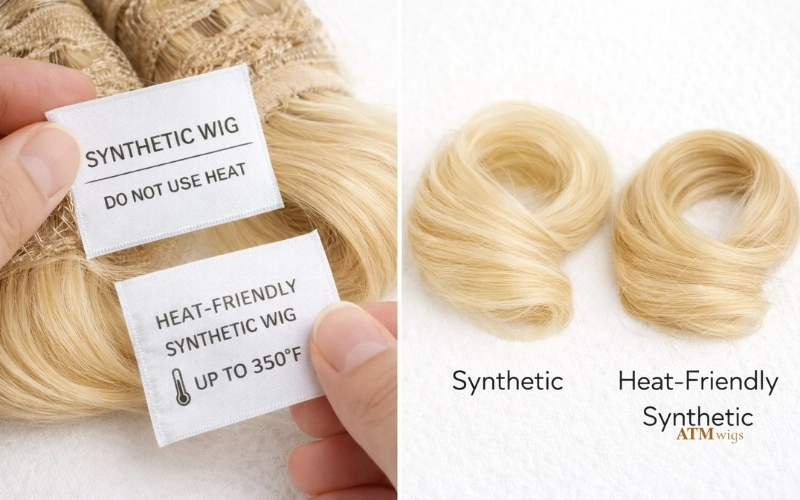
Step 1 — Confirm fiber type: regular synthetic vs heat-friendly
To do so, look at the product tag, packaging or product page to determine if it’s labelled as “heat friendly” or “heat resistant” (and then what the max temperature for that product is). If this information is not available, consider your wig to be a regular synthetic wig.
Regular synthetic is safest with heat-free methods. Heat-friendly synthetic can handle some heat, but it still has limits and can get brittle if overheated.
Step 2 — Know your cap + hairline (especially lace front)
A lace front synthetic wig can look very natural when placed correctly and styled gently around the hairline. A basic cap has less parting flexibility, so you’ll focus more on shape and realism tricks.
If your wig has a defined part, work with it. Forcing a new part on a non-parting cap often causes bulk or visible wefts.
Step 3 — Tools you actually need (keep it simple)
Start with a wide-tooth comb, wig brush (best for straight styles), sectioning clips, and a spray bottle. Add rollers or flexi rods for curls and waves.
Optional upgrades include a wig stand for styling and a handheld steamer for gentle reshaping. Avoid random “hair hacks” that involve extreme heat or heavy oils.
Prep like a pro: detangle and smooth the fiber first
Styling on tangled fiber is like curling wrinkled fabric—it never looks clean. Prep is where you protect the wig and improve your final result.
Most synthetic wig issues come from friction, rough handling, and product buildup. A few minutes of correct prep prevents hours of frustration.
Detangle the right way (so styling doesn’t create frizz)
Proper detangling of your wig should be done without causing any damage to the hair. To achieve this, start at the end of the hair, working your way to the top of the wig, sectioning the hair into small sections along the way.
Light refresh vs full wash (choose the right reset)
If the wig feels mostly clean but looks dull or slightly tangled, a light refresh is enough. Mist lightly with water or a wig detangling spray, then detangle and reshape.
If the wig feels sticky, looks stringy, or won’t hold style, it’s time to wash. Buildup makes fibers cling together, which causes tangling and poor styling results.

Everyday styling that looks natural (realism matters)
People often search “how to make a synthetic wig look natural” because styling isn’t just curls and waves. Realism comes from the hairline, part, and shine control.
The goal is not perfection—it’s believability. A soft shape, a clean part, and reduced shine instantly elevate a synthetic wig.
How to reduce shine on a synthetic wig safely
Synthetic fibers reflect light more than natural hair, especially under direct sun or bright indoor lighting. That’s why some wigs look “too glossy.”
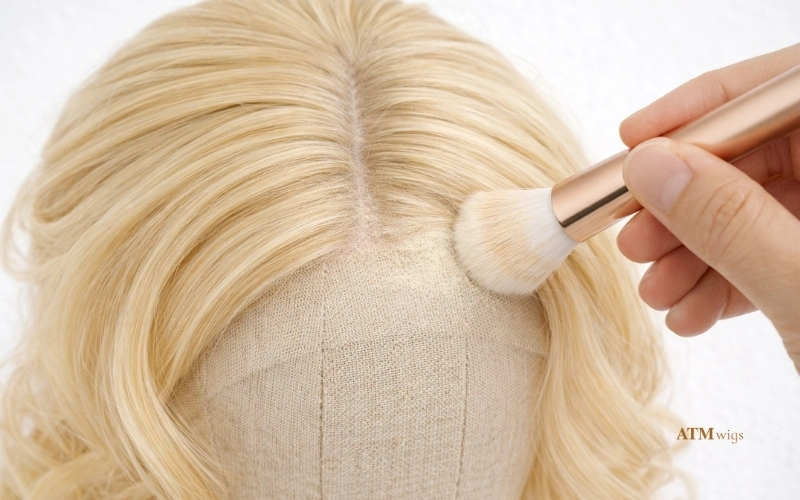
Use a light dusting of translucent powder or a small amount of dry shampoo to tone down shine. Apply sparingly and brush through gently so it doesn’t look chalky.
Avoid heavy oils and serums meant for human hair. They make synthetic fibers attract dirt faster and can turn the hairpiece stringy.
Create a believable hairline and part (lace front tips)
For lace front synthetic wigs, placement is everything. Align the lace with your natural hairline and secure it smoothly to avoid ripples.
To improve the part, apply a small amount of powder or concealer along the parting space to match your skin tone. Keep it subtle for a natural finish.
If you style baby hairs, go minimal. Over-styled edges can look costume-like, especially on synthetic fibers.
Control volume and shape (roots, crown, ends)
If your wig looks “boxy,” it usually needs reshaping at the crown and around the face. Clip the roots in the direction you want and let them set.
For ends that flip awkwardly, reshape using rollers, pinning, or gentle steam from a distance. Let the fiber cool fully before touching it.
Heat-free styling methods (safe for most synthetic wigs)
Heat-free styling is the best approach for regular synthetic wigs. It’s also the safest way to get long-lasting curls without risking melted fibers.
These methods work because synthetic fiber “remembers” shapes when set properly. The key is sectioning and cooling time.
Roller set curls (classic, reliable)
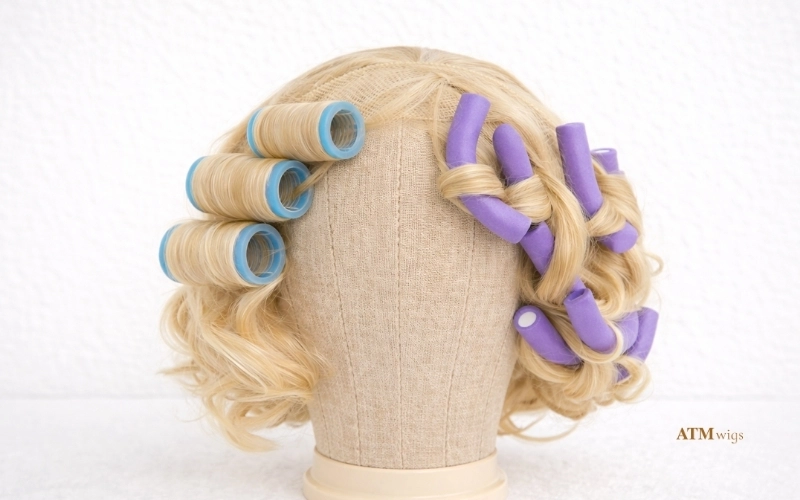
Start by lightly spraying your wig to make it slightly damp as opposed to soaking wet. Separate the wig evenly and use small sections of hair for tight curls or larger sections for easy waves.
Secure the rollers and let the wig dry completely. Then let it sit a bit longer so the fiber fully sets.
Remove rollers gently and separate curls with your fingers. Avoid heavy brushing if you want definition.
Flexi rods and pin curls (for natural curl patterns)
Flexi rods allow you to create modern curled styles with a more relaxed curl. By wrapping the hair around the rod, maintaining equal tension on the entire section of hair.
Pin curls work well for face-framing pieces and bang areas. Pin them flat and let them dry completely before releasing.
To turn curls into waves, lightly loosen them with your fingers and only comb the ends. Brushing too much can cause frizz.
Hot water method (for setting shape on synthetic fiber)
This method is popular for stubborn synthetic wigs that won’t hold curl. After setting the wig on rollers, carefully pour hot water over the rolled sections.
Use controlled heat and focus on the fiber, not soaking the cap. Then let it cool completely before removing the rollers.
If you’re unsure about your wig’s fiber, avoid this method. Heat-sensitive fibers can deform if the water is too hot.
Steam setting (smooth flyaways and reshape gently)
A steamer can smooth frizz and reset shape without direct contact. Keep distance between the steamer and the hair to avoid over-softening the fiber.
Steam is especially helpful for smoothing a harsh part line and taming flyaways around the crown.
Always let the wig cool in the new shape. Cooling is what “locks” the style into place.
Styling with heat (only for heat-friendly synthetic wigs)
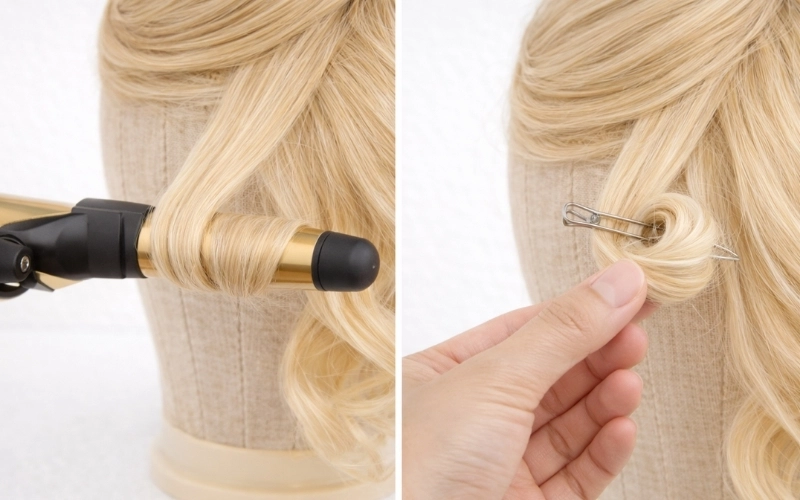
If your wig is heat-friendly synthetic, you can use low heat tools for curling or straightening. But treat it with care—heat-friendly doesn’t mean heat-proof.
Start low, test a hidden strand, and use short passes. Overheating can create permanent frizz or a rough texture.
Safe temperature rules you should follow
Always follow the brand’s stated temperature limit if it’s provided. If it’s not provided, use the lowest setting and increase slowly only if needed.
Avoid repeated passes. Synthetic fibers can get “stressed” by heat even when they don’t melt.
How to straighten a heat-friendly synthetic wig
Detangle first, then work in small sections. Glide a low-heat tool through smoothly without stopping on one spot.
Let sections cool and fall naturally. Then finish with a light anti-static spray if needed.
How to curl a heat-friendly synthetic wig
Curl small sections for better hold. After curling, pin the curl in place and let it cool completely before releasing.
For softer waves, brush only after the curls are fully cool. If the wig frizzes easily, finger-combing is safer than brushing.
Cutting and customizing (small changes, big realism)
A few careful tweaks can make a synthetic wig look less “out of the box.” Even tiny trims can transform how natural it appears.
If you’re nervous about cutting, start with conservative changes. You can always cut more, but you can’t add length back.
Trim ends and fix uneven shapes
Synthetic ends can look wispy or clumpy over time. A small trim helps the wig look fresher and more natural.
Cut slowly and check symmetry often. Sharp, clean cuts are better than hacking through multiple layers at once.
Add face-framing layers or bangs (carefully)
Face-framing layers soften the hairline and make synthetic wigs feel more wearable. Bangs also reduce shine focus because they break up flat reflection.
Cut longer than you think you need at first, then refine. Avoid thinning shears unless you’re experienced, because they can create fuzzy ends on some fibers.
Reduce bulk without making it look sparse
If the wig feels too dense, focus on subtle internal shaping rather than removing lots of hair. Over-thinning can reveal wefts and reduce realism.
For many wigs, improving the crown shape and part line gives the “lighter” look without heavy cutting.

Easy hairstyles: ponytails, half-up, clips, headbands
Not every synthetic wig needs full restyling. Simple hairstyles can upgrade your look fast while minimizing friction and tangling.
These options are also practical for daily wear because they reduce movement at the nape.
Low ponytail and half-up styles (the most flattering options)
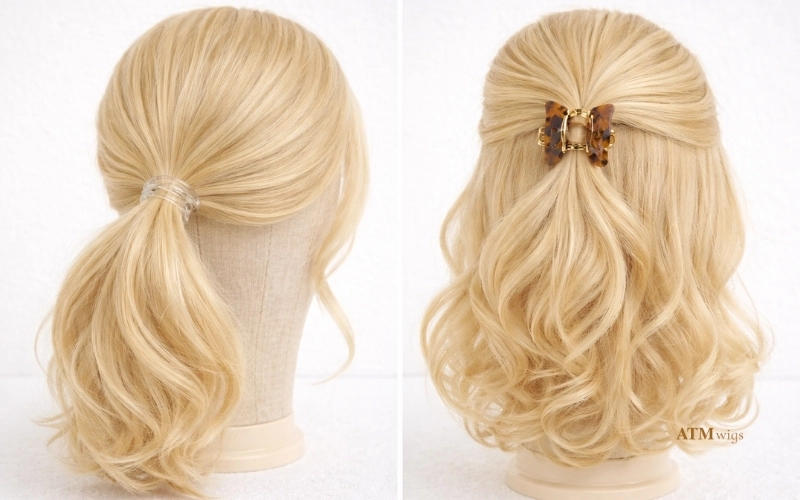
Low ponytails look natural and help hide the cap structure. Keep tension gentle so you don’t stress the cap or create bumps.
Half-up styles are great for volume control. Use clips and keep the crown smooth for a clean, modern finish.
Accessories that instantly upgrade a synthetic wig
Headbands, claw clips, and scarves add style while covering the hairline area if you’re in a rush. They also reduce styling time and fiber stress.
When choosing accessories, opt for those that do not snag on fibers. Choosing smooth edged accessories will be less abrasive on synthetic hair.
Texture-specific styling tips (straight vs wavy vs curly)
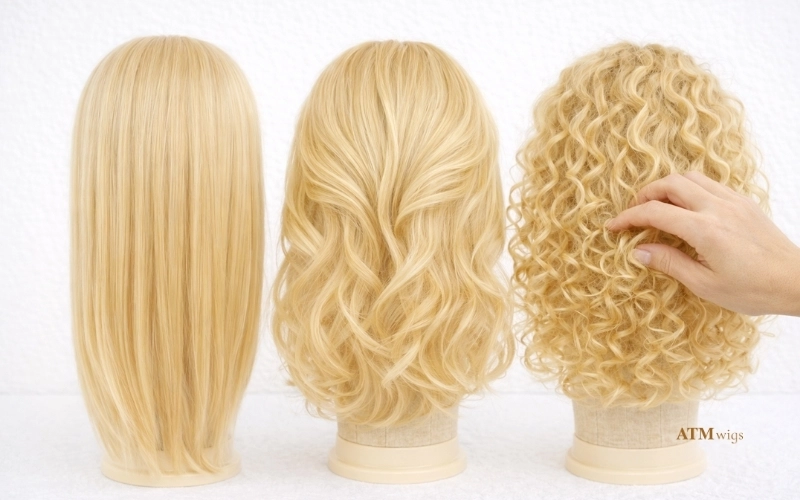
Vinyl wigs are not always handled the same. Different textures require specific styling techniques based on the wig’s unique texture.
When your technique matches your wig’s style, it will reduce frizz and retain definition.
Straight synthetic wigs
Avoid excessive brushing. Use gentle detangling and light anti-static products to prevent flyaways.
If ends flip out, reshape them with rollers or gentle steam and let them cool in place.
Wavy and curly synthetic wigs
Finger detangle whenever possible. Use a light mist to refresh and re-clump curls, then let air dry.
Avoid brushing through curls unless you want a fluffy, brushed-out look. For most natural results, separate curls with your fingers.
Products to use (and what to avoid)
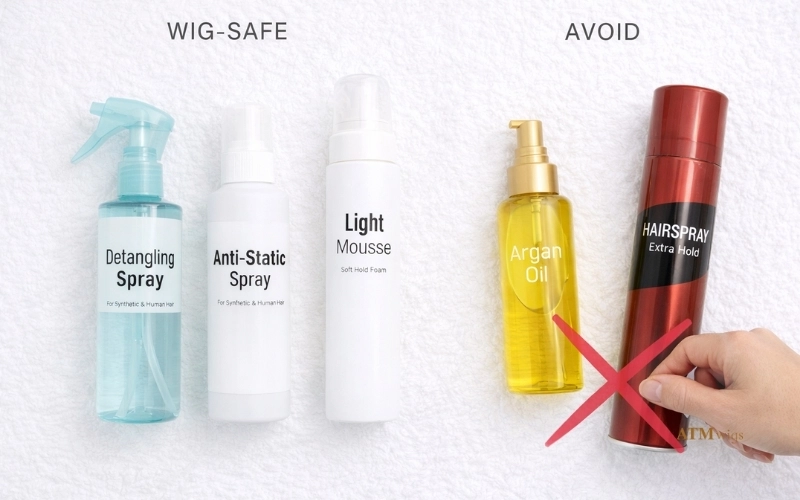
The best products for synthetic wigs are lightweight and designed to reduce static and friction. Too much product causes buildup and tangling.
Think “less but consistent.” A small amount used correctly beats layering multiple products.
Best product types for styling synthetic wigs
Look for wig detangling spray, anti-static spray, and a lightweight wig mousse for shaping. A wig-safe hairspray can help hold styles without stiffness.
Use products sparingly and build only as needed.
What to avoid on synthetic fibers
Skip heavy oils, thick creams, and strong alcohol-based styling sprays. These can make the wig dull, sticky, or frizzy over time.
Also avoid high heat on unknown fibers. If you’re unsure, choose heat-free styling methods.
Maintenance to keep the style longer
A styled synthetic wig can stay beautiful for days if you store it correctly. Most styles fail early because of poor storage and rough handling.
A simple routine keeps your wig looking fresh and saves you time.
Store it so it keeps its shape
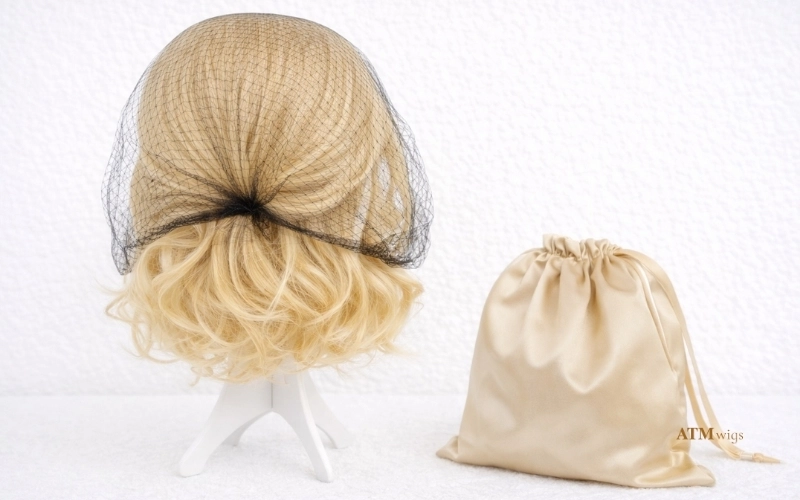
Using traditional wig stands gives wigs short-term storage solutions to allow for the parting and crown shape to remain in place. For traveling, use satin bags to minimize friction. After curling your wig, support the curl and try not to crush it by putting anything heavy on top of it during storage.
Between-wear refresh routine (2–5 minutes)
Mist lightly, detangle ends, and reshape with clips if needed. Then let it air set and cool in the desired shape.
This keeps the fiber controlled without constant restyling.
When it’s time to wash again
Wash when the wig feels sticky, tangles more than usual, or looks dull from product buildup. Clean fiber styles better and looks more natural.
Troubleshooting: quick fixes people search for
Even the highest-quality synthetics may let you down occasionally. The good news is, in most cases, solutions are easy to find and are best accomplished using methods that will not damage your wigs and/or fibers.
“My synthetic wig is frizzy” (causes + fast fixes)
The main reason for frizz is friction at the nape of the hair, brushing too hard, and heat. First, use a gentle detangling method; then apply an anti-static spray that is lightweight.
Next, reshape the ends of the wig with either rollers or steam. Be sure to let the wig cool completely before proceeding. Lastly, avoid using heavy products, as they will encourage the frizzing to occur over time.
“It tangles instantly at the nape”
Nape tangling is common because of collar friction. Wear smoother fabrics when possible and consider low styles that reduce rubbing.
Detangle the nape more often than the rest of the wig. Small daily maintenance prevents big knots.
“Curls won’t hold” or “waves look messy”
This usually comes down to section size and cooling time. Smaller sections hold better, and cooling fully before release is essential.
Too much product can also cause curls to collapse. Reset with a wash if styling feels “slippery” or heavy.
“My wig looks too shiny / fake”
Start with shine control (light powder or dry shampoo), then refine the part and hairline. A slightly softer, less perfect shape also helps.
Often, a small face-framing adjustment makes a bigger difference than adding more product.
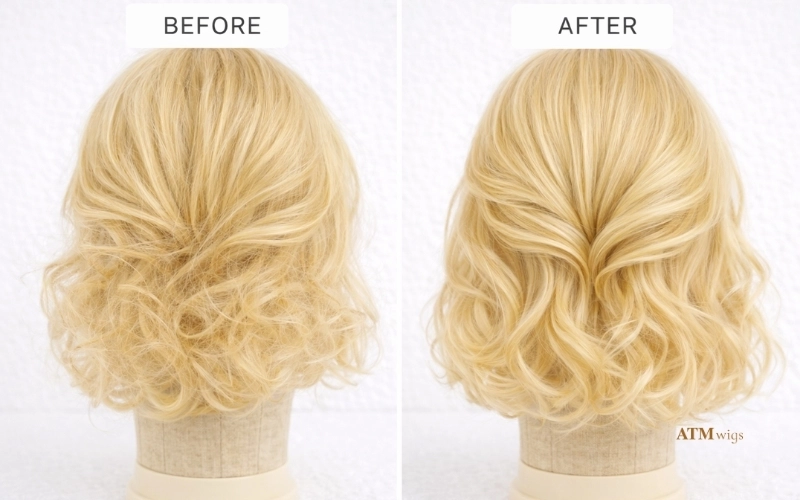
Choosing the right wig for the style you want
Synthetic wigs are amazing for consistent, low-maintenance looks. They’re especially good if you want a style that stays put with minimal daily effort.
If you want frequent hot tool styling, ultra-natural movement, or the ability to restyle often, human hair wigs or hair toppers may fit your routine better.
ATM Wigs offers premium options across wigs, toppers, and toupees—useful if you’re ready to explore styles with maximum flexibility.
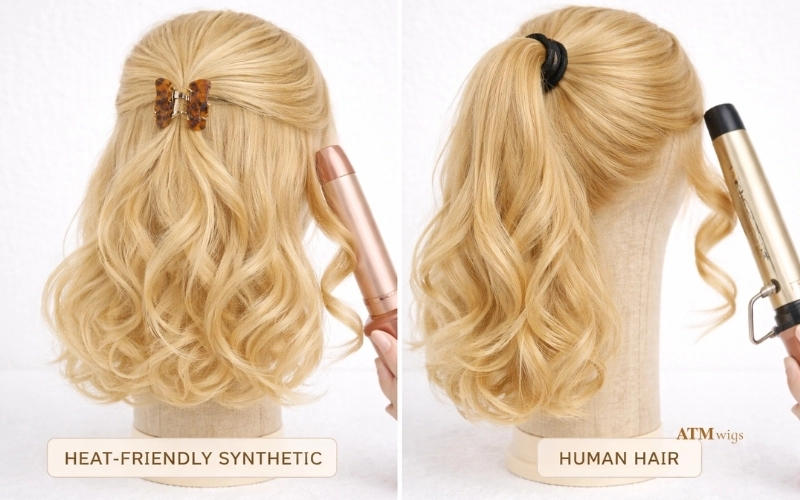
FAQ about “How to style a synthetic wig?”
Can you style a synthetic wig with a curling iron?
Only synthetic wigs that are specifically labeled as “heat-friendly” can be used with curling irons, by using low heat and doing quick movement. All other synthetic wigs should only use heat-free options like rollers and flexi-rods.
How do I know if my synthetic wig is heat-friendly?
Check the tag, packaging, or product page for “heat-friendly/heat resistant” and a max temperature. If it’s not stated, assume it’s regular synthetic.
What’s the safest way to curl a regular synthetic wig without heat?
Use rollers or flexi rods on lightly damp hair, let it dry completely, then cool-set before removing. This gives the best hold with minimal risk.
How do I reduce shine on a synthetic wig?
Use a small amount of translucent powder or dry shampoo to soften the shine, then brush gently. Avoid heavy oils that create buildup.
Can I cut bangs or layers into a synthetic wig?
Yes, but go slowly. Cut longer first and refine in small steps. Over-thinning can cause fuzzy ends or reveal wefts.
Why does my synthetic wig get frizzy and tangled so fast?
Friction, over-brushing, and product buildup are the most common causes. Gentle detangling, light anti-static products, and good storage help a lot.
What products are best for styling synthetic wigs?
Lightweight wig detangling spray, anti-static spray, and wig mousse are the most useful. Keep product minimal to avoid buildup.
How do I style a lace front synthetic wig so it looks natural?
When attempting to heat style, the most important aspect is that the cut and creation processes are clean. The wig should be cut properly and assembled in a manner that allows it to blend seamlessly into your natural hair as well. Ensure that the wig has sufficient coverage of baby hairs and that they remain soft and natural looking.
Mastering how to style a synthetic wig comes down to high-quality fibers, utilizing the correct heat-free method of styling for your desired effect, and making subtle changes to create the realistic appearance that you desire. If you’re ready to explore more styling flexibility and premium options, check out ATM Wigs’ catalog and services for human hair wigs, toppers, and toupees.

