


Shedding of the wig can be annoying, particularly with high-quality human hair wigs. It is essential to learn how to stop a wig from shedding so that your wig remains beautiful and long. In this guide, we will take you through the steps that are utilized by professionals in the industry.
Understanding Wig Shedding: Why It Happens
Shedding of wigs is quite common, especially for human hair wigs, due to their design. Human hair wigs, unlike synthetic wigs that are machine-sewn and heat-sealed, often use hand-knotting or weft-stitching techniques. These knots loosen over time.
The loss of hair typically starts when the knots weaken or when the wefts start to unravel. Without proper care, even a good-quality wig can shed prematurely. Things such as improper washing, rough brushing, exposure to chemicals, or even storage methods can all result in losing hair from your wig.
Understanding that some shedding is normal helps differentiate between normal and abnormal shedding. The latter can be prevented with the right strategy.
What Causes a Wig to Shed?
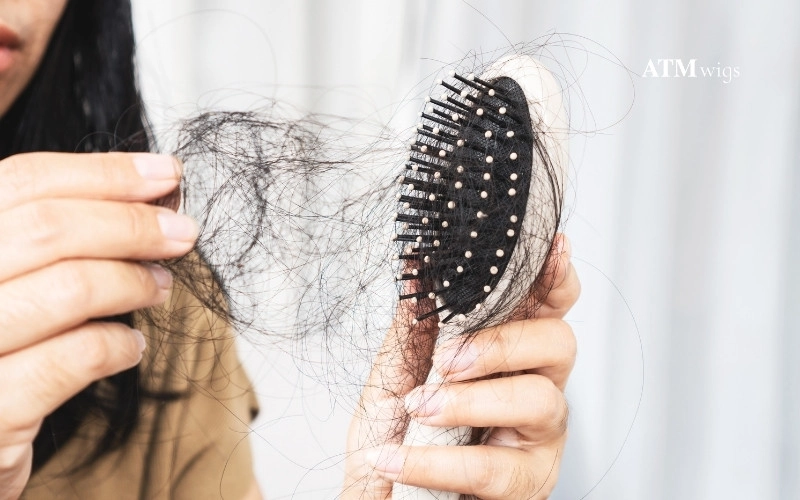
- Poor Quality Construction
Single-knot or loose-weft wigs shed more. Wigs produced in bulk with poor stitching can disintegrate with little wear and tear. Paying a bit extra for better construction prevents this issue in advance. - Incorrect Washing Techniques
Wet hot water or rubbing the wig during washing frees tangles and breaks fibers. Over-washing with the wrong products also breaks down the glue on lace fronts or closures and leads to fallout. - Heat Damage
Continuous flat iron, curling iron, and hair dryer use—especially at high temperatures—dry and weaken the shaft. Compromised cuticles crack and snap, leading to shedding from the middle shaft and ends. - Aggressive Brushing
Combing or brushing hair from roots downwards or using the wrong instruments, like fine-toothed combs or boar-bristle brushes, puts tension straight on the tangles. It loosens up the hair and causes it to fall out too early. - Product Buildup and Chemicals
Alcohol-containing hairsprays, gels, and serums dry and give a buildup on the hair that weakens it. The fiber becomes brittle and loses hair with ease when brushed or touched. - Friction and Poor Storage
Placing your wig flat on abrasive surfaces, sleeping in it, or storing it unprotected generates too much friction. Repeated rubbing speeds up hair loss by tugging on strands from the base.
How to Stop a Wig from Shedding Properly
The following are professional-level tricks applied by experienced wig artists and long-term wig wearers to maintain full wigs and prevent shedding to a great degree.
Choose a Wig with Reinforced Construction
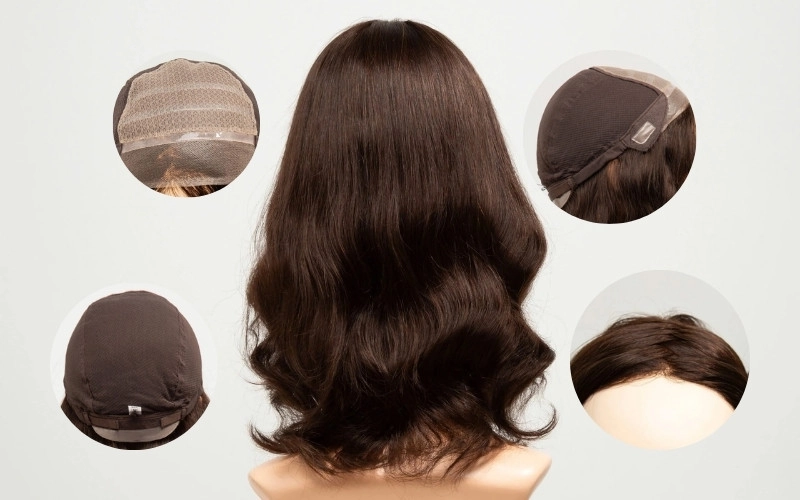
Choose double-knotted, weft-sealed, or reinforced lace technology-designed wigs. These construction methods ensure the strands are securely fastened.
Wigs that also have silk tops or multidirectional parting further minimize the impact on the knots and make the wigs longer-lasting when brushing or styling.
Clean Gently and Properly

Detangle prior to washing. Soak the wig in cold or warm water with a sulfate-free, wig-safe shampoo. Gently rotate without rubbing or scrubbing.
Shampoo the cap, not the hair. Rinse thoroughly and then apply a moisturizing conditioner. Do not put conditioner on the base where the knots are.
Deep Condition for Strength and Elasticity
Use a wig-safe deep conditioner every 2–3 weeks. This readjusts the moisture and strengthens each strand from within.
Leave on for 10–15 minutes under a plastic cap or hot towel, and then rinse out. This proves very handy for curly, colored human hair wigs, which tend to dry quickly and easily.
Use the Right Tools for Styling

Select a wide-tooth comb, loop brush, or paddle brush with soft tips. Steer clear of anything that tugs or catches at the root.
Start at the ends and work up slowly. Handle curly or kinky textures with special care, as they tend to knot.
Apply Heat Carefully—If At All
Never use hot tools without first using a heat protectant spray geared for wigs. Use the lowest temperature on the tool.
Limit heat styling to no more than once a week. Instead, use heatless styling techniques like rollers, braids, or wrapping for waves or curls.
Reduce Friction During Storage and Sleep

Put your wig on a mannequin head or in a satin/silk-lined case. This keeps it in shape and prevents the tangles that cause pulling.
Never sleep with a wig on unless it’s sewn-in. If you must, wear a silk bonnet or scarf and use a satin pillowcase to minimize friction.
Handle With Clean, Dry Hands
Natural oils, sweat, or film on your hands may be transferred to the wig. It can weaken the lace or adhesive and lead to early shedding.
Wash your hands before handling or styling the wig. This also makes the hair fibers appear fresh for a longer time.
How to Prevent Shedding After Washing Your Wig?
Some individuals suffer from shedding after washing their wig. This is most frequently caused by incorrect handling when drying the wig.
After shampooing, gently blot the wig with a microfiber cloth. Never twist or wring. Air-dry naturally on a wig stand away from direct sunlight and heat.
Add a leave-in conditioner or detangling spray to wet hair. This adds moisture and a layer of protection against breakage.
Long-Term Wig Maintenance Tips to Reduce Shedding
- Limit UV Ray Exposure: Just like natural hair, wig strands weaken with sun exposure over time. Keep in a shaded place.
- Don’t Change Color Often: Frequent bleaching and coloring of your wig leads to structural hair breakdown. If coloring cannot be avoided, seek the services of a professional.
- Trim Split Ends: Have your wig ends lightly trimmed every few months to prevent split ends from traveling up the strand and causing more shedding.
- Don’t Over-Style: Excessive handling puts stress on the hair fiber. Accept the natural texture whenever possible.
How Long Should a Wig Last Without Excessive Shedding?
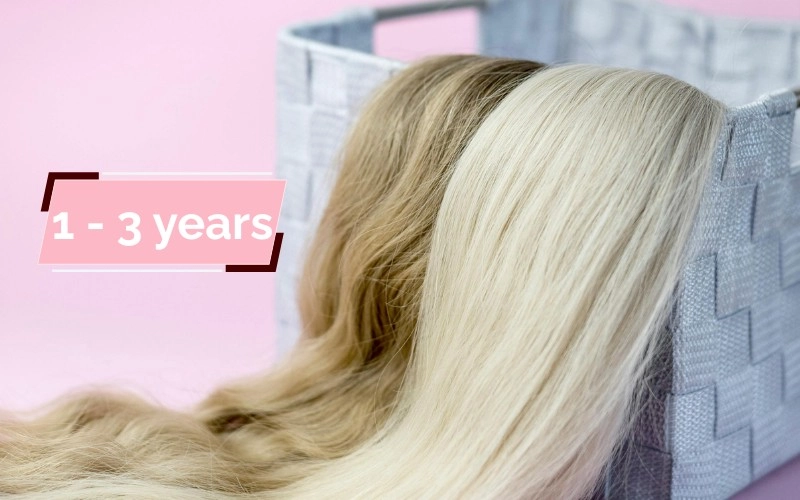
Under proper care, quality human hair wigs can last 1–3 years. The first indications of excessive shedding are noticed after 6–12 months if not cared for gently.
Preventive care from the very start makes all the difference. Following professional techniques ensures that your wig retains its full, soft, and beautiful appearance well beyond the point of purchase.
FAQs – How to Stop Your Wig from Shedding
Is it normal for wigs to shed a little after purchase?
Yes, it is normal for the first few times wearing them. It is a concern if it progresses over time.
Can sealing the knots help stop shedding?
Yes. Applying a knot sealer spray to the back of lace wigs may make the knots more secure.
How often should I brush my wig?
Brush when necessary—ideally before and after wear. Daily brushing is not required unless the wig has a tendency to tangle.
Do synthetic wigs shed less than human hair wigs?
They will shed less due to their construction, but lack the natural look and styling possibilities of human hair.
Can shedding be reversed once it starts?
You can slow it down, but lost hair won’t grow back. Prevention is the best approach.
Conclusion: Keep Wig Shedding Under Control for Long-Term Wear
Learning how to stop a wig from shedding ensures enhanced long-term durability and appearance. By using the proper care techniques, your wig will look full and flawless. For high-end human hair wigs with enhanced construction, find the professionally crafted lines at ATM Wigs—recommended by experts across Europe and the US.

