


How long do monofilament wigs last? This guide explains the average lifespan, what affects durability, and how to know when it is time to replace your wig.
How long do monofilament wigs last on average?
Monofilament wigs can last from several months to a few years, depending on the hair type, cap quality, wearing frequency, and care routine. The monofilament construction itself is designed to create a natural scalp appearance, but the full wig lifespan also depends on the hair fiber and daily handling.
Generally speaking, synthetic monofilament wigs can have a lifespan of four to nine months with regular use; while human hair monofilament wigs can expect to last one to two years; and; Remy or Virgin human hair monofilament wigs can typically achieve a longevity exceeding two years with appropriate maintenance.
However, these numbers are not fixed. A wig worn every day will naturally age faster than one worn occasionally. Styling habits, washing frequency, storage, and friction all play a major role in how long the wig stays soft, secure, and natural-looking.
Average lifespan by wig type
| Wig type | Average lifespan | With excellent care |
|---|---|---|
| Synthetic monofilament wig | 4–9 months | Up to 12 months |
| Heat-friendly synthetic monofilament wig | 3–6 months | Up to 9 months |
| Human hair monofilament wig | 1–2 years | 2–3 years |
| Premium Remy human hair monofilament wig | 2–3 years | 3+ years |
These averages are to be used for reference only; the actual useful like of a wig is dependent on how many times it is worn and how well it has been treated.
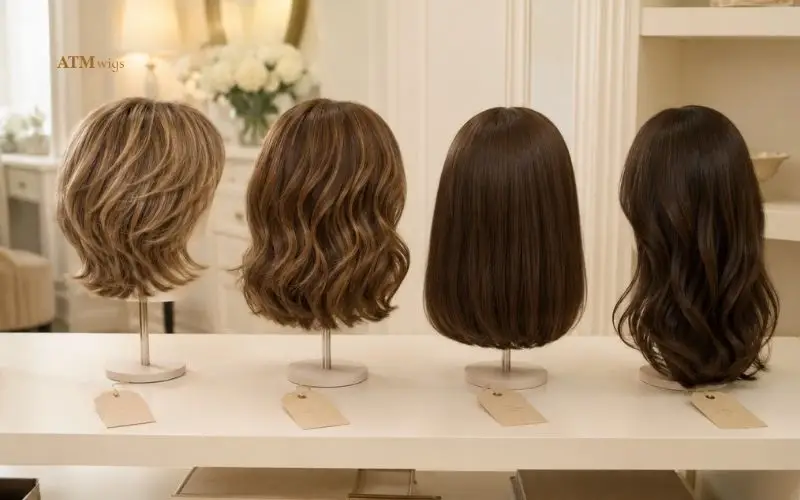
Daily wear vs occasional wear
Daily wear usually shortens the lifespan of a monofilament wig. This is because the wig is exposed to more brushing, washing, body heat, sweat, styling products, and friction from clothing.
Usually the first area of wear on the wig is at the nape, which has a lot of contact with the skin, neck, collars, scarves, and coats. Over time, daily wear at the nape can lead to tangles, dryness, or matting.
Occasional wear of the wig will preserve it longer since there is less stress placed on the hair and cap. Wearing the wig only a few times each month will allow the wig to maintain its shape, softness, and the appearance of its part for a considerably longer period of time than if worn daily.
Why some monofilament wigs last longer than others
Not all monofilament wigs have the same lifespan. Two wigs may look similar at first, but their durability can be very different depending on materials, workmanship, and maintenance.
Hair type: human hair vs synthetic fiber
The main difference between human hair monofilament wigs and synthetic monofilament wigs is their lifespan; human hair monofilament can be conditioned, restyled, trimmed, and refreshed easier than synthetic. Therefore, the useable life of the human hair wig will be longer than that of the synthetic.
Synthetic monofilament wigs are often easier to wear because they hold their original style well. However, synthetic fibers tend to wear down faster, especially with daily use and friction.
Heat-friendly synthetic wigs are generally more flexible for styling than regular synthetic wigs, but if heat tools are used frequently and/or at the incorrect temperature, the life of the heat-friendly synthetic wigs can be reduced.
Cap quality and knotting technique
The monofilament area is often hand-tied to create a natural scalp effect. This gives the wig a realistic parting and allows the hair to move more naturally.
Because the construction is delicate, quality matters. Secure knotting, stable cap materials, and careful finishing can help the wig last longer.
If either the knots that hold the hair to the base are not strong or if the base itself is prone to being deformed, both of these situations will lead to the premature shedding of hair from the base or the eventual loss of the base’s original shape. Which is why quality construction is such an important factor when determining the durability of a wig.
Wearing frequency
The more often a wig is worn, the faster it will age. A daily-wear monofilament wig goes through more movement, more detangling, and more environmental exposure than an occasional-use wig.
For daily wearers, it is common for the wig to show changes in texture, fit, or shedding earlier. This does not always mean the wig is poor quality; it simply reflects normal wear.
Rotating between two wigs can help reduce stress on each one and extend the lifespan of both.
Washing and styling habits
Washing a wig influences its lifespan; over washing will dry the hair out, and under washing will create build-up on the hair and cap.
Styling your wig also impacts the wear of both human hair wigs and synthetic wigs. Repeatedly using heat, using heavy styling products, using a heavy hairspray, and aggressively brushing the hair will cause the wig to wear out sooner.
For human hair wigs, heat should be controlled and used with protection. For synthetic wigs, heat should only be used if the wig is labeled heat-friendly.
Storage and handling
A monofilament wig lasts longer when it is stored correctly. Keeping the wig on a stand or mannequin head helps preserve the cap shape and reduces tangling.
Horrible methods of storage shorten the lifespan. Keeping the wig in a tight bag, wet climate, direct sunlight, or hot temperature can compromise the hair and cap quality.
The way you handle a monofilament wig is as important as how you store it. Pulling on the hair, brushing from the roots to tips, or abusing the monofilament area can weaken the knots eventually.
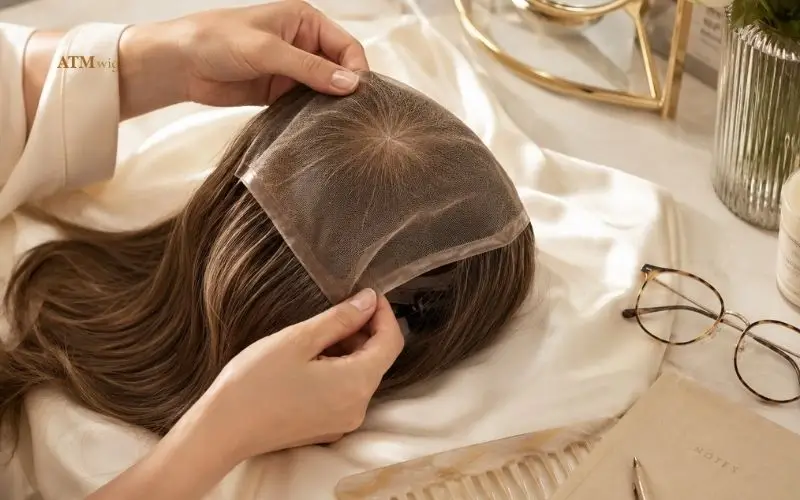
How long do human hair monofilament wigs last?
Typically, human hair monofilament wigs last longer than synthetic wigs. If properly maintained, well-made human hair monofilament wigs will provide 1 to 2 years of regular wear.
However, premium Remy or Virgin human hair monofilament wigs may provide service for 2 to 3+ years if cared for properly and provide a better choice for long-term use as these types of wigs can be conditioned, styled, and refreshed.
The overall lifespan will also depend on how much processing the hair has undergone. Lightly processed hair usually performs better over time than hair that has been dyed or chemically manipulated.
Thus for someone looking to obtain a realistic appearance, versatility, and longevity, human hair monofilament wigs typically offer the better value.
How long do synthetic monofilament wigs last?
Synthetic monofilament wigs usually last around 4 to 9 months with regular wear. With occasional wear and gentle handling, some may last up to 12 months.
A significant benefit of using synthetic wigs is that they will retain their style with little to no maintenance, which is beneficial to users who desire ready-to-wear looks.
Synthetic monofilament wigs cannot be restored to their original state like human hair. Therefore, they will often become very difficult to style once the fibers have roughened, become frizzling and/or losed their original flexibility.
Heat-friendly synthetic monofilament wigs may have a slightly shorter lifespan if heat tools are used frequently. Even when heat is allowed, low and careful styling is still important.
Signs your monofilament wig is reaching the end of its lifespan
Even a high-quality wig will eventually need to be replaced. The key is knowing when normal wear becomes visible damage.
Constant tangling
When the wig has a tendency to tangle frequently, especially around the nape area, it may be at the end of its life cycle. It is common for some tangling to occur but if you are able to gently detangle the locks only to find them tangling again after a short period of time this is an indication that the wig is slowly nearing the end of its life cycle.
This often happens when the hair fiber has become dry, rough, or worn from friction.
Excessive shedding
Light shedding is normal for most wigs, especially hand-tied constructions. However, excessive shedding may show that the knots are weakening.
If the monofilament top area has lost its density (thinned out) or if the parting area looks thinner than it used to be this may be a sign that you will need to seek the help of a professional who specializes in wig care and repairs or possibly replace your wig.
Stretched or damaged mono base
The monofilament base should sit smoothly and naturally against the head. If it becomes stretched, loose, torn, or uneven, the wig may no longer create a realistic scalp effect.
Another contributing factor to the above problem is if you have a damaged monofilament base than expect it may have an effect on how well the wig fits and/or how comfortable you feel wearing it therefore it is going to be increasingly difficult to wear your wig with confidence.
Dry or rough hair texture
When the hair feels rough, stiff, or dry even after conditioning, the wig may be worn out. This is especially common on the ends and nape area.
For human hair wigs, trimming or professional conditioning may help. For synthetic wigs, severe fiber damage is usually harder to reverse.
Poor fit or unstable cap
A wig that once fit well can become loose due to stretching of the cap, shifting of the ear tabs, or loosening of the nape. When any of these problems occur, the wig will not lay naturally on the head.
Fit issues can affect both appearance and comfort. If adjustments no longer help, replacement may be the best option.
Style no longer holds
A human hair wig will eventually lose its ability to maintain curls, body, or sleekness. A synthetic wig may also lose its shape or appear frizzy.
When styling no longer improves the appearance, it may be a sign that the wig has reached the end of its best condition.
How to extend the lifespan of a monofilament wig
Care plays an important role in how long a monofilament wig lasts. The goal is not to over-maintain the wig, but to reduce unnecessary stress on the hair and cap.
Detangle gently
Use a wide-tooth comb or wig brush. Start from the ends and work upward slowly.
Avoid pulling from the roots, as this can stress the knots in the monofilament area.
Wash only when needed
Only wash your wig if necessary; wash it when it starts to feel oily or heavy, does not look fresh or is difficult to style. Washing too much dries out the hair; washing too little may lead to buildup.
Use a product appropriate for the type of wig being treated. Gentle moisturizing products should be used for human hair wigs and synthetic-safe products should be used on synthetic wigs.
Keep conditioner away from the mono base
Conditioner should be applied mainly from the mid-lengths to the ends. Avoid applying it directly to the monofilament base.
Too much conditioner near the knots may loosen them over time and increase shedding.
Reduce heat styling
For human hair monofilament wigs, use heat carefully and apply heat protectant. Repeated high heat can dry out the hair and shorten its lifespan
If a synthetic wig states “heat-friendly,” you may apply heat. Otherwise, do not apply heat to a synthetic wig.
Store the wig correctly
Always place your wig on a wig stand or mannequin when not in use to maintain the wig cap shape and keep from tangling.
Avoid storing the wig while it is wet and do not store it in direct sunlight, or, in areas subjected to high heat or humidity.
Rotate wigs for daily wear
If you wear wigs every day, rotating between two wigs can help both last longer. Each wig gets more time to rest and needs less frequent washing.
This is one of the simplest ways to extend the lifespan of a daily-wear monofilament wig.
When should you replace a monofilament wig?
If your monofilament wig doesn’t appear realistic, feels uncomfortable or fails to respond correctly when being cared for, this is a sign that you should consider purchasing a replacement.
If the hair tangles constantly, the cap no longer fits securely, or the mono base looks stretched or damaged, it may be time for a new piece.
For human hair monofilament wigs, professional maintenance may extend the lifespan. Minor dryness, loose ends, or styling issues can sometimes be improved.
If your mono cap is damaged, shedding excessively from the mono cap or a combination of all 3; it’s time for a new piece versus attempting to repair.

FAQ about how long monofilament wigs last
How long do monofilament wigs last with daily wear?
With daily wear, a monofilament wig may last around 6 to 12 months, depending on hair type, cap quality, and care routine. Human hair monofilament wigs usually last longer than synthetic ones.
Can a monofilament wig last 2 years?
Yes. a high-quality human hair monofilament can last up to or beyond two years with the proper care; proper use, and proper way of storing it.
Do human hair monofilament wigs last longer than synthetic wigs?
Yes. Human hair monofilament wigs generally last longer because the hair can be conditioned, restyled, trimmed, and professionally maintained.
How long do synthetic monofilament wigs last?
Synthetic monofilament wigs usually last around 4 to 9 months with regular use. On occasional wear, and careful handling of the wigs, they may last up 12 months.
Does daily wear make a monofilament wig wear out faster?
Yes. Wearing a wig on a daily basis exposes the wig to a great deal of everyday friction, sweat, brushing, washing, and styling; therefore, it reduces the life of the wig.
Why is my monofilament wig shedding?
Some shedding is normal, but excessive shedding may come from rough brushing, pulling at the knots, conditioner near the base, or general aging of the wig.
Can you repair a monofilament wig to make it last longer?
Several repairs can be made, for example, minor cap damage, loose areas, and dry ends in the human hair wig. more severe problems such as excessive loss of hair, stretched cap, or major base damage will have to be replaced.
How do I know when to replace my monofilament wig?
Replace your wig when it tangles constantly, sheds heavily, loses its shape, no longer fits securely, or stops looking natural even after proper care.
How long do monofilament wigs last depends on hair quality, wear frequency, and handling, but choosing the right construction can make a clear difference. Explore ATM Wigs’ services or catalog to find premium wig options designed for natural, long-lasting wear.

