


If you are asking how long can a synthetic wig last, the short answer is: it depends on how often you wear it, the fiber type, and how you care for it. This guide will outline the possible life expectancy of synthetic wigs, factors causing synthetic wigs to break down more quickly as well as presents some tips on extending your wig’s overall lifespan.
Typical lifespan of a synthetic wig
The average life expectancy of a synthetic wig can vary. Some wigs will last only a few months whereas other wigs can keep their form and be worn for a much longer period of time.
For most people, the realistic range is around 4 to 6 months with daily wear. If the wig is worn only occasionally, it may last 6 to 12 months or longer, depending on the style, the quality of the fiber, and how gently it is handled.
That range matters because “lasting” can mean different things. One person may replace a wig as soon as it starts to feel rough at the nape. Another may keep wearing it longer because the overall style still looks presentable.
Daily wear usually shortens lifespan
If you wear the same synthetic wig every day, it will go through more friction, more brushing, and more exposure to heat, humidity, and product buildup.
That kind of routine tends to wear down the fibers faster. The wig may still be wearable, but the ends can start to look dry, the nape may tangle more often, and the style may lose its fresh finish sooner than expected.
Occasional wear can extend the timeline
A synthetic wig worn only for special events, weekends, or part-time use usually lasts longer. It has less daily friction and needs less washing and detangling.
That is why rotation helps so much. Even having two wigs instead of one can reduce stress on each unit and help both stay in better condition over time.
What affects how long it lasts?
The lifespan of a synthetic wig is shaped by everyday habits more than most people realize. Small details can make a big difference.
Frequency of wear
The more often a wig is worn, the faster the fibers go through normal wear. Daily use means more movement, more contact with clothing, and more time exposed to weather.
Someone who wears a wig five or six days a week will usually see signs of aging much sooner than someone who wears it only occasionally.
Friction at the nape
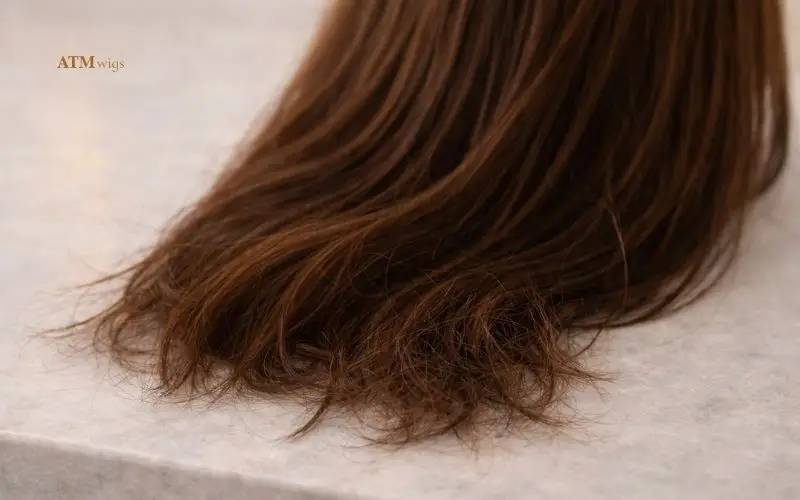
The nape is one of the first places where synthetic fibers start to show damage. That area rubs constantly against collars, scarves, coats, and even the back of a chair.
This repeated friction often leads to nape tangling, rough texture, and frizz. On longer wigs, the effect is even more noticeable because there is more hair brushing against the neck and shoulders throughout the day.
Heat exposure
Heat can shorten the life of a synthetic wig, especially if the fiber is not designed for heat styling. Even with a heat-friendly synthetic wig, frequent styling can still make the fibers feel drier or coarser over time.
If you use heat often, the wig may lose softness faster and start looking worn sooner than a similar wig that is left in its original style.
Products and buildup
Too much product can make a synthetic wig feel heavy, sticky, or dull. Not all sprays, serums, or styling products are suitable for synthetic fiber.
Buildup also means the wig may need more washing, and extra washing means extra handling. That repeated cycle can affect the texture and shape of the wig over time.
Washing and detangling habits
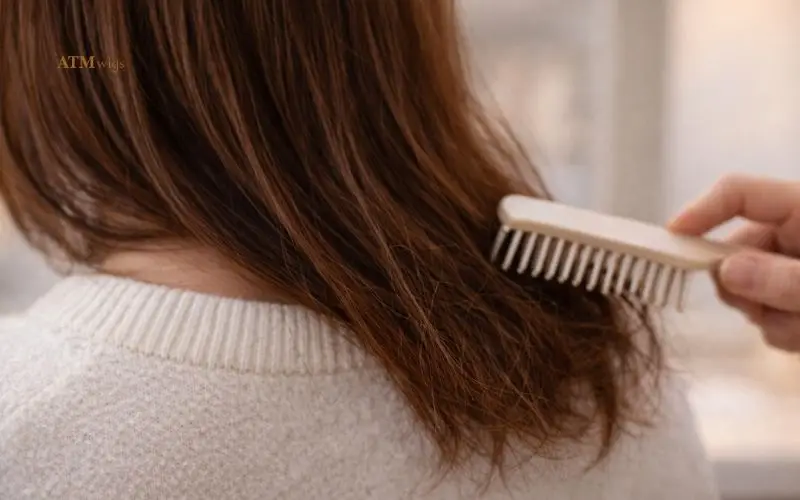
A good wig care routine helps, but rough handling does the opposite. Pulling through knots, brushing too hard, or washing the wig more often than necessary can all shorten its lifespan.
Synthetic fibers need a gentler approach than many people expect. Care is less about doing more and more about doing the right things consistently.
Storage
How you store the wig matters when it is not being worn. If it is crushed into a drawer, left near heat, or rubbed against rough surfaces, it can lose shape faster.
Proper storage helps maintain the cap structure and reduces unnecessary tangling between wears. It is one of the easiest ways to protect your synthetic wig lifespan.
Fiber type and overall quality
Not all synthetic wigs wear the same way. Better fibers usually feel softer, hold their style better, and look more natural for longer.
That does not mean a premium synthetic wig will last forever. It simply means the starting quality often affects how well the wig handles regular use.
Heat-friendly vs regular synthetic: do they last the same?
Not exactly. A regular synthetic wig and a heat-friendly synthetic wig may look similar at first, but they do not always age in the same way.
A regular synthetic wig usually keeps its preset style very well. That is one of its biggest strengths. It is designed to hold the original shape, so it often needs less styling and less daily manipulation.
A heat-friendly synthetic wig gives you more flexibility. You can smooth it, reshape it, or add movement with low heat tools. That makes it attractive for people who want more control over styling.
The trade-off is that heat-friendly fibers often wear out faster if heat is used often. The more frequently the wig is restyled, the more likely the fibers are to become rough, dry-looking, or less smooth than before.
So if your top priority is maximum lifespan, regular synthetic usually has an advantage. If your priority is styling freedom, heat-friendly can still be a good choice, but the lifespan may be shorter.

Signs it’s wearing out
A synthetic wig does not suddenly fail all at once. Usually, it starts showing smaller signs first.
Frizz that keeps coming back
A little surface frizz is normal over time, especially around the nape. But if the wig keeps looking frizzy even after gentle care, that usually means the fibers are starting to wear down.
At that point, the texture may not fully bounce back the way it did when the wig was new.
Tangling becomes constant
If your wig tangles quickly every time you wear it, especially at the back of the neck, that is a common sign of aging fiber.
When detangling starts taking much longer than before, the wig may be reaching the later stage of its lifespan.
Too much shine
Excessive shine can be seen in certain synthetic wigs as they wear out; however, it is a result of product buildup and/or the wig fibers not having their original finish anymore.
If the wig starts looking overly shiny in a way that feels less natural, that can be a sign it is no longer looking its best.
Ends feel rough or fuzzy
The ends often show wear earlier than the rest of the wig. They may feel dry, stiff, or fuzzy instead of smooth.
This is especially common on longer synthetic wigs because the ends go through more movement and friction throughout the day.
The cap feels looser than before
Cap stretching is another sign to watch for. Over time, regular use can make the cap feel less secure or less snug than it did originally.
The wig may still look fine, but if the fit is starting to change, comfort and confidence during wear can drop.
How to make a synthetic wig last longer
You cannot stop synthetic fiber from aging, but you can slow the process down.
Wash only when needed
Do not wash the wig after every wear unless it truly needs it. A better approach is to wash it when there is visible buildup, odor, or loss of freshness.
Washing too often creates unnecessary handling. Washing too little can let buildup sit on the fibers. Balance is the goal.
Detangle gently from the ends up
Always start at the ends and work upward in small sections. This helps reduce pulling and prevents extra stress on the fibers.
A gentle method is one of the easiest ways to keep synthetic hair from tangling worse over time.
Reduce friction where possible
Watch for high collars, rough fabrics, scarves, and constant rubbing at the nape. These details seem small, but they can wear down a wig much faster than expected.
If you wear longer styles often, friction awareness matters even more.
Be careful with sprays and styling products
Take caution when using hair sprays and other types of hairstyling products. You should be using only products that were designed specifically for synthetic monofilament wig hair. If you use heavy hairstyling chemicals or hairstyling chemicals that are not synthetic hair compatible, you can cause a product buildup on your wig and make it difficult to maintain your monofilament wig.
If you are frequently using hairstyling products, make sure that you are using lightweight products and limiting their use.
Use heat only when the wig allows it
Only use heated styling tools when the wig that you are wearing permits it. If your wig is a non-heat-friendly wig, you should avoid the use of heated styling tools all together. If your wig is heat-friendly, you should be using the lowest heat settings and only styling your heat-friendly wig as absolutely necessary.
Less heat usually means less stress on the fiber and a longer wearable life.
Store it properly between wears
Use a wig stand, mannequin head, or another clean storage method that helps the wig keep its shape. Avoid tossing it into tight spaces where the hair can rub and tangle.
Good storage is simple, but it supports every other part of your care routine.
Rotate wigs if you wear them often
If you wear synthetic wigs regularly, try not to rely on one unit only. Rotation gives each wig a break and reduces the daily wear on the fibers.
This is one of the most practical habits for extending the lifespan of any synthetic wig.

FAQs about How long can a synthetic wig last?
Can a synthetic wig last a year?
Yes, it can. That is more likely with occasional wear, gentle care, and proper storage than with everyday use.
How long can a synthetic wig last if worn daily?
If you wear your wig every single day, many synthetic wigs can last for four to six months without showing too much wear and tear. There are instances when a wig can last longer than this timeframe; however, there tends to be an increased amount of wear and tear once you’ve worn a wig continuously for an extended period.
How often should you wash a synthetic wig?
Wash it when it needs it, not automatically after every wear. The right schedule depends on how often you wear it, how much product you use, and how quickly buildup appears.
Does a heat-friendly synthetic wig last as long as a regular synthetic wig?
Usually not. Heat-friendly wigs offer more styling flexibility, but frequent heat use can shorten their lifespan.
What is the first sign that a synthetic wig is wearing out?
For many people, the first signs are nape tangling, recurring frizz, or rough ends that do not feel as smooth as before.
So, how long can a synthetic wig last? In most cases, it lasts months rather than years, but smart care habits can help you get more wear out of it. To explore more wig care advice or browse styles designed for everyday beauty, take a look at ATM Wigs’ catalog and guides.

