


Wig slipping ruins comfort and confidence. Discover “How do you keep a wig from slipping?” with proven tips used by professionals for secure, all-day wear.
Why do wigs slip?
Wigs slip due to incorrect sizing, oily scalps, or a lack of anchoring. Human hair wigs, especially, need snug support due to their inherent weight. If the wig cap is too big or there’s minimal friction, slipping is inevitable.
A smooth, sweaty scalp or too much movement also releases the grip. On toupees and toppers, clips lose their grip on thinning or fine hair, resulting in shifting throughout the day.
Understanding the root cause is the first step to fixing it. A proper fit, well-prepped scalp, and the right tools work together to prevent embarrassing wig slippage.

Use a wig grip band for non-slip support.
Wig grips are one of the most effective, non-adhesive solutions. Made of velvet or silicone, they wrap around your head and create friction between the wig and scalp.
Velvet strips are ideal for lace-front wigs as they provide grip without any damage to delicate lace. Silicone types are ideal for bald heads or very fine-haired clients.
To use a wig grip correctly, position it half an inch behind your hairline. Ensure it lies flat with no folds or gaps. Place the wig on top, and it should stay snug all day.
Choose the right wig cap for better stability.
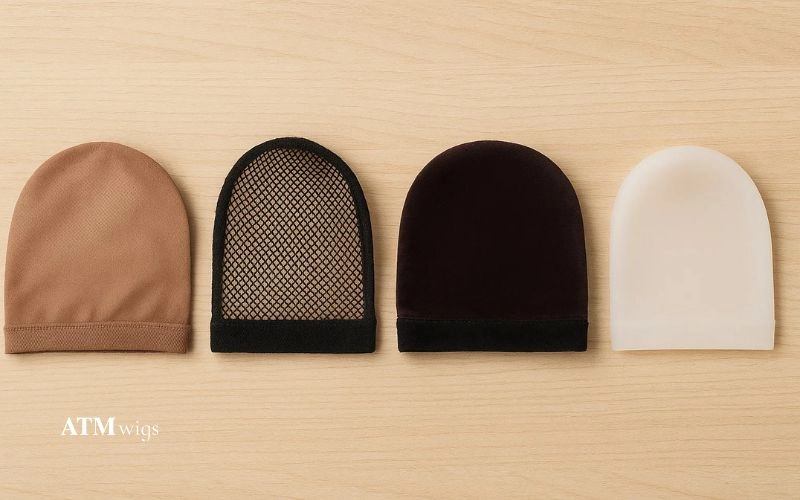
The wig cap underneath serves as your wig’s foundation. Basic nylon caps are breathable but offer minimal traction. For more grip, switch to mesh caps or velvet-lined ones.
If your scalp is hairless, a silicone wig liner can provide extra grip. It prevents shifting caused by sweat or movement.
Correct cap sizing is crucial. A cap that’s too loose allows movement; one that’s too tight may cause discomfort and affect blood circulation.
Apply wig tape or adhesive for a stronger hold
Wig tape is a go-to for people needing all-day hold. It’s double-sided and medical-grade, easy on the scalp but effective. The best placement is on the hairline and temple.
Wig glue, when applied correctly, provides even more hold for all-day wear. Opt for water-resistant adhesive in warm weather or high-activity environments.
Prepare your scalp with alcohol or a scalp prep solution prior to applying adhesive. This will eliminate oil and residue for optimum bond strength.
Adjust built-in straps and add elastic bands
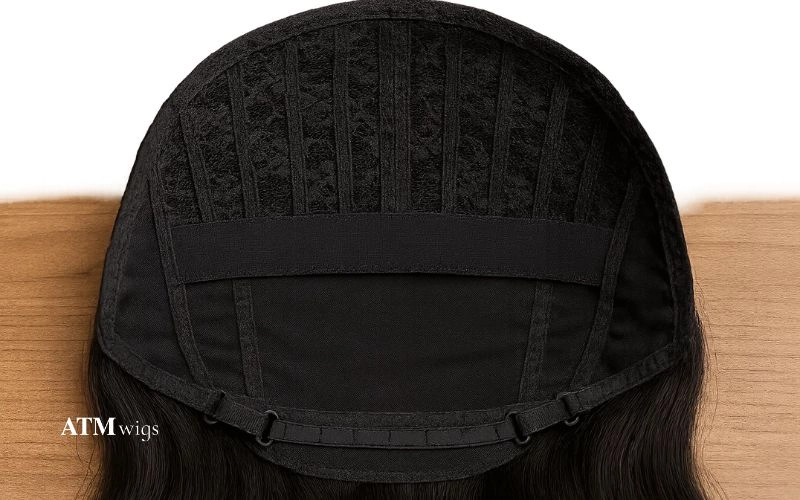
Most wigs have adjustable built-in straps. These give small-size adjustments to allow the wig to fit closer. If these are not enough, add a supplemental elastic band sewn inside the wig.
Sewing an elastic band from ear tab to ear tab creates gentle inward tension. This anchors the wig against your scalp without creating bumps.
This method is especially popular among stylists preparing human hair wigs for clients who want to avoid adhesives.
Secure wig with clips or combs (if you have hair)
If you have some natural hair, attaching clips or combs sewn into the wig cap gives extra security. Position clips near zones of thick hair like the temples or nape of the neck.
For toupees and toppers, placement of the clips is key. Avoid areas where the hair is thin or fragile, because this can cause pain or breakage of the hair.
Gentle backcombing of the hair before attachment of clips improves grip. A light spritz of hairspray can also add texture to fine, slippery hair.
Prep your scalp correctly before wearing the wig
The condition of your scalp directly affects wig hold. A clean oil-free scalp holds better when you’re using tape, glue, or a grip band.
Clean with a scalp cleanser or alcohol wipe to remove excess oil. If you have sensitive skin, use an alcohol-free wipe.
Use a scalp protector with adhesives—it builds a barrier and prolongs wear while protecting the skin. Dry completely before applying product.

Consider the weight and style of the wig
Heavier wigs or styles with high volume can increase the risk of slippage. Long, thick human hair wigs naturally have more weight than synthetic ones.
Choose a balanced haircut or low-density wig if you’re active or prone to slippage. Avoid top-heavy styles unless you’re securing the wig with glue or a band.
Lighter wigs not only stay on better but are also more comfortable for all-day wear.
Combine multiple methods for maximum security
Sometimes, one method isn’t enough. Combining grip bands with tape or adhesive with elastic gives layered security. This is especially helpful for active days or long events.
Experiment beforehand with combinations that work best with your lifestyle. For instance, wear a velvet band underneath your wig and stick a couple of adhesive tabs on the temples.
Tailor-make your routine to gain optimum comfort, hold, and peace of mind regardless of conditions.

Check the fit Before leaving the house
After you have put on your wig, always do a fit check. Shake your head gently and tug around the hairline. If anything shifts, return to your attachment method.
You want to feel secure enough to move around, bend over, or even dance with confidence and no worry. A wig that stays put allows you to focus on your day, not your hair.
It is also advisable to keep a small emergency kit containing some extra tape, a mirror, and a comb for those unexpected slippages.
FAQs: How do you keep a wig from slipping?
Why does my wig always move backward?
It’s likely too loose or not secured correctly. Use a combination of wig grip and tape.
How to keep wig from slipping on bald head?
Yes. Silicone wig grips are designed to stick to smooth scalps and offer excellent non-slip support.
Is glue necessary to keep my wig on?
Not always. Many users prefer wig grips or elastic bands as non-adhesive options.
What if my clip-in topper slips often?
Add more clips and tease the base hair before clipping. You can also use tape on the underside of the topper.
Can I wear my wig securely during workouts?
Yes, but use sweat-resistant adhesive and a tight elastic band for added hold.
Pro tips from wig industry experts
Wig professionals recommend switching attachment methods depending on the occasion. For daily wear, a grip band and thin tape can work. For stage wear or traveling, include glue or more bands.
Retailers can offer wig kits that include bands, adhesives, and scalp cleansers. This not only boosts buyer confidence but also enhances user experience.
Wig stylists in salons must educate clients regarding scalp preparation and cap fitting. This limits complaints and improves long-term satisfaction.
Knowing “How do you keep a wig from slipping?” is the key to comfort and confidence. Whether you use a grip, an adhesive, or a combination method, proper application is what it’s all about. ATM Wigs offers professionally designed human hair wigs and professional products designed for secure, stylish wear. Shop our inventory and elevate your wig-wearing experience today.

