

Finish length is an important factor when it comes to how a wig, topper, or toupee will look once worn. This guide breaks down exactly what finish length means, how it’s measured, and how texture affects visual appearance. Use this as a point of reference the next time you decide on your human hair wig.
What is the finished length? Defining the key measurement
Finish length is the officially measured length of a hairpiece from the crown or root area to the very end of the longest strand. This is the standard on which the entire wig industry bases its product descriptions to ensure that both professionals and consumers alike can compare units with confidence.
Importantly, finish length is measured with the hair stretched straight, regardless of texture or curl pattern. This distinction is important because wavy or curly hair can sometimes look much shorter than the actual length.
Finished length provides consistency, while visual length is dependent upon styling, curl tightness, and natural shrinkage. Understanding this difference avoids confusion when one has to select the textures or assess how long it is going to appear on their body.
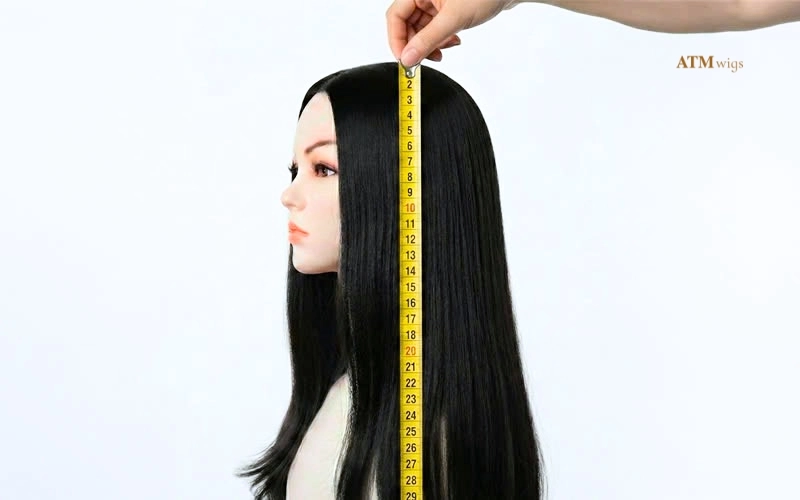
Finish length vs. visual length – why texture changes everything
Texture has the greatest impact on how long a wig or topper appears in real life. Two units may be cut to the identical finish length, yet will appear far different, depending on whether the hair is straight, wavy, or curly. Following is a breakdown to help you understand how each texture affects visual length.
Straight hair – the “true to length” standard
Straight hair reflects finished length the most accurately. Because there is little to no curl pattern, the measurement falls very close to what you see when the wig is worn. If you want the most predictable result, straight textures offer the least shrinkage and the clearest representation of length.
Wavy hair – the appearance of mild contraction
Wavy textures, such as body wave or loose wave, create gentle S-patterns that shorten the visual length by about 1–2 inches. This is quite normal and expected, given the natural curvature of the waves. Measured stretched straight, the unit will match the stated finish length, but the everyday appearance will be a little shorter.

Curly and kinky textures – the most significant shrinkage
Curly, coily, and kinky textures can appear 3–5+ inches shorter than the listed finish length.
Their tight curl structure compresses the strands, and the difference in measured length versus visual length is quite vast. When measuring these textures, the hair must be pulled taut to achieve the correct finish length.
This natural shrinkage doesn’t mean the wig is inaccurate-it simply reflects how curl patterns behave. For curly textures, many customers size up to achieve their preferred visual length.
How to accurately measure finish length
Accurate measurement ensures you understand exactly what you’re buying and what to expect in terms of appearance. Below follows the generally accepted industry method adopted by practitioners globally.
Tools you will need
A soft measuring tape is required for the capture of an accurate measurement. A mannequin head or wig stand helps stabilize the unit and ensures the hair falls naturally. With textured hair, a wide-tooth comb can gently stretch the hair out to its actual length.
The 3-step measurement process
- Place the wig, topper, or toupee securely on a stand. The unit should sit as it would on a real head for proper alignment.
- Locate the crown or root area. This is the point from which all accurate finish length measurements are taken.
- Measure from the crown down to the longest strand. For wavy or curly hair, gently stretch the hair straight before reading the measurement.
This standardized method ensures that the brand and product categories are consistent.
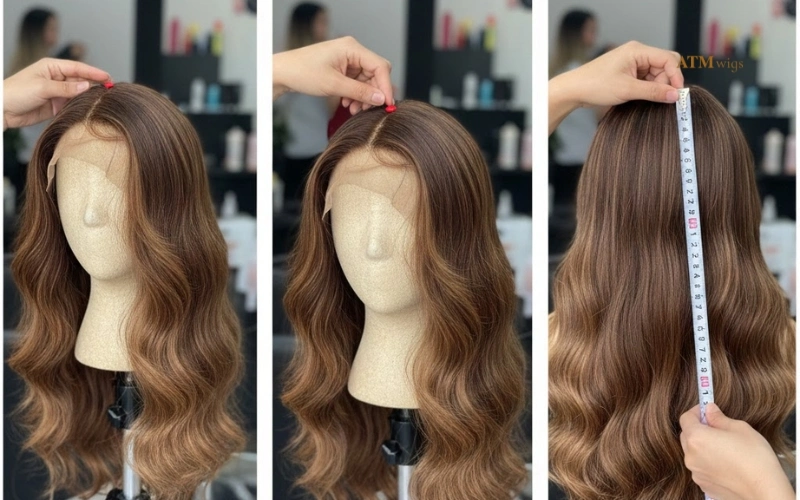
Finish length for wigs vs. toppers vs. toupees
Although the concept of finish length is similar for all hair systems, the measurement point can differ depending on the type of base.
How wig length is measured
Wig measurements always begin from the crown area of the cap. Because the unit covers the entire head, the placement of the crown determines how the length falls in relation to the body. This provides a constant reference to the wig style and construction.
How topper length is measured
Topper length is measured from the root at the base, not from the crown. Because a topper sits on top of existing hair, it often appears longer than a wig with the same finish length. This contributes to blending and providing natural body proportions.
Toupee length basics
Like toppers, they are also measured from the base or root area. Because they are designed to blend in with the wearer’s natural hair, the right finish length needs to be chosen for them to appear seamless. Knowing the measuring method helps to make the final look balanced and not an accident.
Choosing the right finish length for your style and proportions
Cut-finishing length affects your personal style, as well as how the hair balances out the body. Follow the guidelines below and select a length that best fits your goals and lifestyle.
Length chart – where each finish length falls on the body
Knowing where each length generally falls makes it easier to picture the completed style.
- 8–10 inches: From chin to jawline, ideal for bobs or short layered looks.
- 12–16 inches: Shoulder to collarbone; versatile and natural for everyday use.
- 18–24 inches: Mid-back to waist; popular for elegant, long styles.
- 26 inches and above: Waist and below; dramatic and luxurious.
These general guidelines help set accurate expectations when selecting a finish length.

The role of height and torso length
The same finish length can actually look completely different depending on your height and body proportions. Shorter individuals may find that longer lengths fall lower on the body, while taller individuals may see a shorter visual effect. Taking into consideration torso length helps you choose a finish length that justifies your natural silhouette.
Should you size up? (for styling, curling, or cutting)
If you plan on cutting or styling the wig, it’s always safer to purchase a slightly longer finish length. In fact, texture tends to reduce apparent length with layering, trimming, or curling. Starting with extra length allows your stylist to shape and contour the perfect final look.
Finish length vs. visual length: other factors that affect appearance
While texture plays the biggest role, other elements also contribute to how long a wig appears once styled and worn.
Density and hair volume
Density does not change finished length, but it affects how full the ends look. A less dense wig will always look lighter or thinner at the bottom, giving it a different-looking length. The higher the density, the more distinguished the silhouette that highlights the length more.
Layering and styling techniques
Layering provides movement and dimension, although it can often shorten the apparent length. In addition, heat styling and curling increase shrinkage, particularly on longer units. Understanding these effects will help you maintain the intended shape and style.

Cap construction differences
The hand-tied caps allow for more natural movement and can make a long length appear slightly softer. Wefted caps often result in additional volume at the bottom, which accentuates the long hair even more. Subtle differences interact with the perception of finish length.
FAQs about finish length
Is the finish length measured in inches or centimetres?
Whereas in the U.S., the rule is inches, Europe commonly uses centimeters. Most high-quality wig brands provide both measurements for clarity.
Why does my curly wig look shorter than the listed length?
The curly textures naturally shrink owing to their tight curl pattern. The finished length is measured stretched straight, so the visual length will always appear shorter.
Does density affect how long the hair looks?
Density doesn’t change the actual finish length, but lower density will often make the ends appear less full and therefore somewhat shorter.
Should I buy a longer length if I want to cut or customise the wig?
Yes, buying a longer finish length enables stylists to add layering, shape the ends, or make subtle adjustments without sacrificing too much length.
Why does a topper seem longer than a wig of the same finish length?
Because toppers are measured from the base, which sits higher on the head. It creates a longer visual effect than full wigs.
Finish length is an important measurement when determining what your wig or topper will actually look like once worn. By understanding how texture and proportion affect visual length, you can choose with confidence. Browse through ATM Wigs’ human hair collections to find just the perfect finish length for your needs.

