

Wearing a human hair wig should enhance your confidence, not raise health worries. If you’ve ever wondered, can human hair wigs cause cancer?, this article gives you evidence-based, easy-to-understand answers from industry professionals.
The Short Answer: No, Human Hair Wigs Do Not Cause Cancer
Let’s address the biggest concern first:
Human hair wigs do not cause cancer. There is no scientific or medical evidence linking human hair to cancer in any form.
Why? Because human hair is a natural protein material (keratin) — the same component of your skin and nails. It’s biologically inert and presents no cancer hazard, even when it is processed for a wig.
Wearing a quality human hair wig is considered safe for cosmetic as well as medical purposes, including by individuals recovering from chemotherapy.

Understanding Human Hair Wig Materials and Safety
What Are Human Hair Wigs Made Of?
Human hair wigs are constructed from genuine hair acquired through ethical means. The hair is shampooed, disinfected, and possibly colored or textured. This is very similar to the way your own hair might be handled by a salon.
Crucially, the hair itself is not toxic, and when treated responsibly by trusted manufacturers, it remains completely safe to wear.

Why Human Hair Is Not a Carcinogen
Human hair is not an industrial chemical, it’s a biological substance. It’s not carcinogenic at all and can’t become absorbed into the body or blood in any way that would cause cancer.
This distinction is important: cancer concerns typically come from exposure to industrial chemicals or pollutants, not natural protein fibers like hair.

Exploring Common Health Concerns (and How to Avoid Them)
While human hair wigs are safe, some related products or wearing practices may cause skin irritation or allergic reactions. These side effects are not linked to cancer but are worth knowing about.
Wig Adhesives and Fasteners
Most of the wig wearers apply tape, glue, or clips to secure their wigs. Adhesives may be formaldehyde-releasing agents or other recognized skin irritants. However, these are not demonstrated to be carcinogenic at the concentrations applied to wigs.
Tips to stay safe:
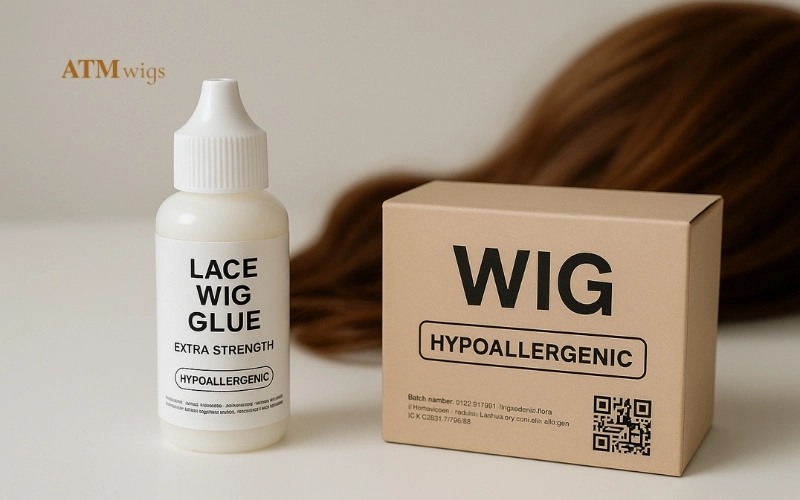
- Choose medical-grade or hypoallergenic adhesives
- Always use a patch test before first use
- Wear glueless wigs or those fastened with combs as daily wear
- Remove adhesives gently and clean your skin after wear

Wig Dyes and Chemical Treatments
Most human hair wigs are dyed or styled during production. While this may raise eyebrows, it’s important to distinguish wig dyes from personal hair dye practices.
Frequent, direct scalp exposure to certain dyes (especially dark permanent ones) has been questioned in medical literature. However, human hair wigs are dyed before they reach the consumer—and the dyed strands don’t touch your scalp or get absorbed into the skin.
To minimize any risk:
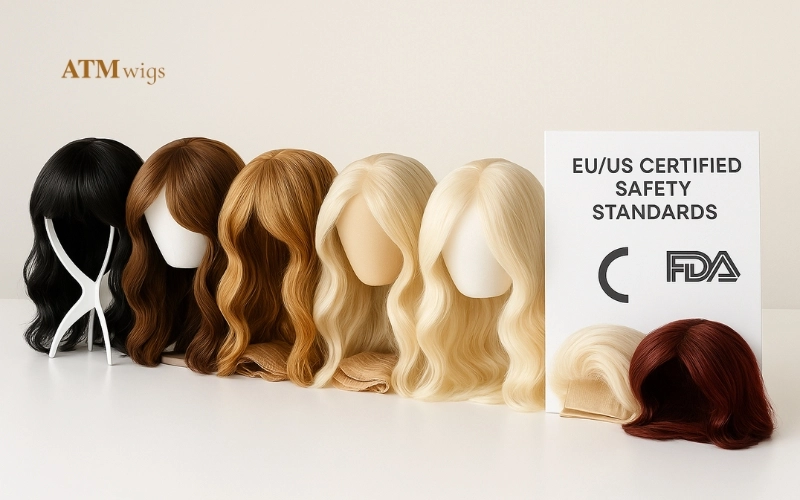
- Buy wigs from reputable brands that follow EU or US chemical safety guidelines
- Look for suppliers who disclose their processing methods
- If you’re sensitive, ask for minimally processed or virgin hair wigs
Scalp Health and Hygiene
Improper wig hygiene can cause discomfort—but not cancer.
Pain like itchiness, dandruff, scalp irritation, or even fungal infection can be caused by sweat buildup, dirty wigs, or constant wear without any breaks.
Here’s how to care for your scalp:
- Shampoo your wig regularly with paraben-free shampoos that are formulated for use with wigs
- Wear a breathable wig cap for increased airflow
- Have regular breaks in between wears so your scalp can breathe a little
- Clean and dry your scalp and the interior of the wig thoroughly

How to Choose a Safe and Comfortable Human Hair Wig
Buy from Trusted Manufacturers
Cheap wigs or duplicates may cut back on processing and materials. Paying for a reliable supplier ensures your wig is not only stunning but also safe to wear for years.
Look for suppliers who:
- Use ethically sourced hair
- Follow international safety standards
- Are transparent about their processing and quality control

Prioritize Hypoallergenic and Skin-Friendly Features
If you have sensitive skin or an allergy history, take the following into account:
- Soft, airy wig caps (monofilament, silk top, lace front)
- Glueless or hypoallergenic adhesives
- A patch test for any new product your skin comes in contact with—glues, conditioners, wig care sprays, etc.
Maintain Wig Hygiene and Longevity
A well-cleaned wig is a healthy wig. Keeping your wig on every day or sometimes, it stays secure and comfortable with good maintenance.
Wig maintenance tips:
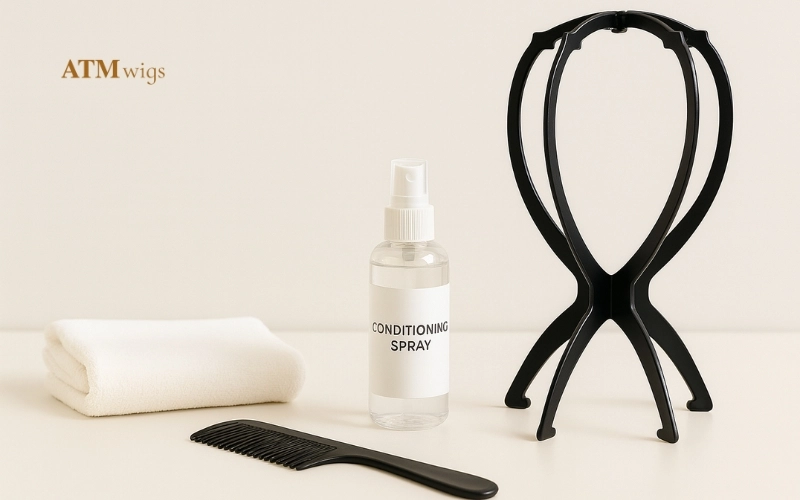
- Use only wig-friendly shampoos and conditioners
- Follow the brand’s wash routine and method
- Don’t use heat styling unless recommended on the wig
- Store it on a wig stand in a cool, dry place
FAQs about “Can human hair wigs cause cancer?”
Do synthetic wigs cause cancer?
No. Synthetic wigs are made from acrylic or polyester fibers. A few may cause irritation to sensitive scalps, but they have no link to cancer.
Can wig glue cause cancer?
No. With the exception of the very rare type that contains toxic chemicals, most wig adhesives are not carcinogenic, especially hypoallergenic or medical-grade adhesives. They will cause skin irritation if used incorrectly, but they do not have any connection to cancer.
Are pre-dyed wigs dangerous?
Not at all. The cancer problem associated with hair dye is from repeated application to the scalp—not pre-treated hair strands on a wig. Responsible manufacturers use safe, regulated color.
How do I know if a wig is safe for my skin?
Select well-constructed wigs with gentle, airy caps, and avoid harsh adhesives. Be sure to patch test care products on a tiny patch of skin prior to use on a wig.
Can wearing a wig every day damage my scalp or hair?
Only if you wear them too tightly or never take them off. Wearing breathable wigs and practicing good hygiene will prevent you from experiencing issues such as irritation or breakage—not cancer.
Can human hair wigs cause cancer? No. Proper care and procurement, and they’re a beautiful, safe choice. Shop ATM Wigs‘ certified line of human hair wigs for comfort and peace of mind.

