

Synthetic wigs are stylish, affordable, and easy to maintain—but only if you use the best products for synthetic wigs. This guide will walk you through step by step what to use, what not to use, and how to properly take care of your synthetic wig like a pro.
Why Synthetic Wigs Need Specialized Products
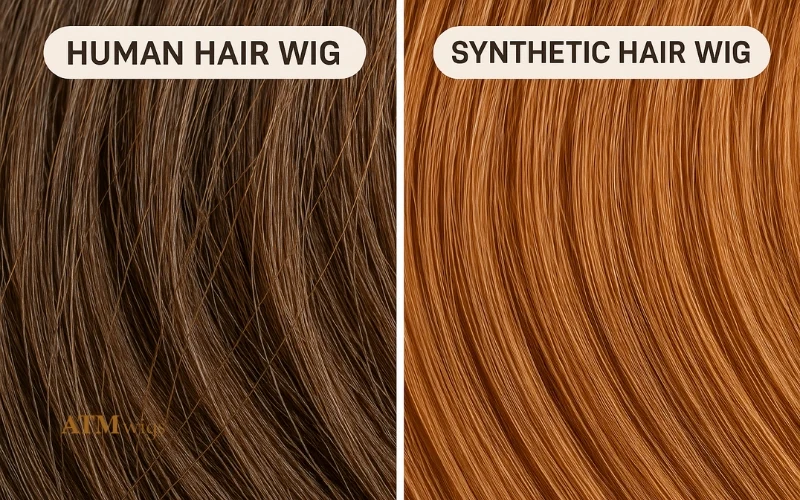
Differences Between Human Hair and Synthetic Fiber
Human hair wigs can withstand heat styling, oiling, and every kind of hair product. Synthetic wigs are, however, manufactured from plastic-based fibers, which are sensitive to heat and chemicals. They are already pre-styled and possess a fiber structure that does not change easily.
This works perfectly for everyday wear and effortless glamour. However, to keep them styled and durable, you ought not to use the same shampoos and conditioners that you would for normal hair, since they have the potential to do extreme damage.
Risks of Using the Wrong Products
Using the wrong shampoo or conditioner—like one meant for human hair—can break down synthetic fibers. This causes dullness, loss of shape, static cling, and frizz.
High-alcohol content products will dry out the fibers, and oils and silicone serums will coat the wig with heavy residue, stiffening the wig and causing it to appear unnatural. This is why wig-specific products are necessary.

Essential Products for Synthetic Wig Care
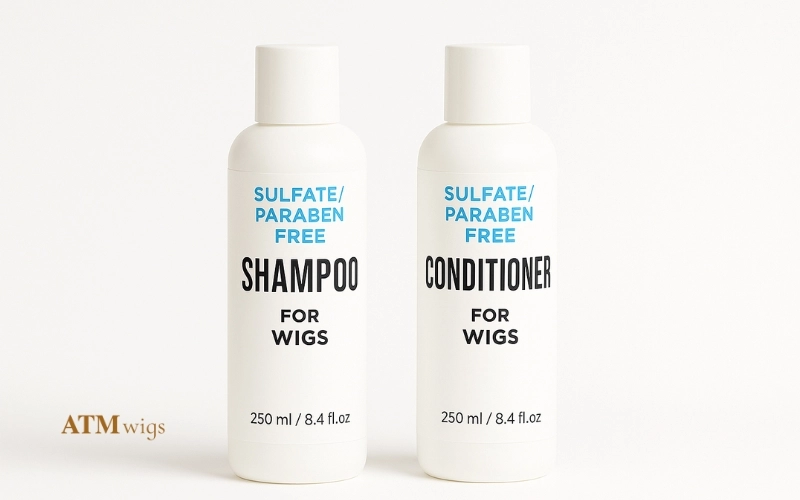
Best Synthetic Wig Shampoos
Cleansing is the first step in any wig care routine. Synthetic wig shampoos are gentle, residue-free, and formulated not to weaken the fibers. Top features to look for are:
- Sulfate-free and paraben-free formulation
- Balanced pH suitable for synthetic fibers
- Light, non-conditioning base to prevent build-up
Some popular ingredients to look for are aloe vera, chamomile, and mild surfactants. Avoid creamy shampoos or those that claim “deep moisture”—those are the ones designed for real hair.
Tip: Wash your synthetic wig in cold water with a capful of wig shampoo. Never twist or rub the fibers.
Top Leave-In Conditioners & Detanglers
Detangling sprays and leave-in sprays help restore softness and tame static. They typically contain lightweight conditioning ingredients and anti-frizz ingredients that are alcohol and oil-free. They’re especially helpful for:
- Long wigs are prone to tangling
- Curly wigs that need shape retention
- Wigs worn frequently or in dry climates
Apply detangler in sections while the wig is damp, starting at the ends with a loop brush.

Styling Sprays & Hold Products
Synthetic wigs don’t require hot tools to keep their style—but styling sprays still assist in keeping the style, calming flyaways, and providing shine. Look for:
- Fiber-safe styling sprays with a flexible hold
- Gloss mists that add shine without buildup
- Matte sprays, if less shiny is what you desire
Skip hairsprays containing ethanol or isopropyl alcohol, as they dry out synthetic fibers.

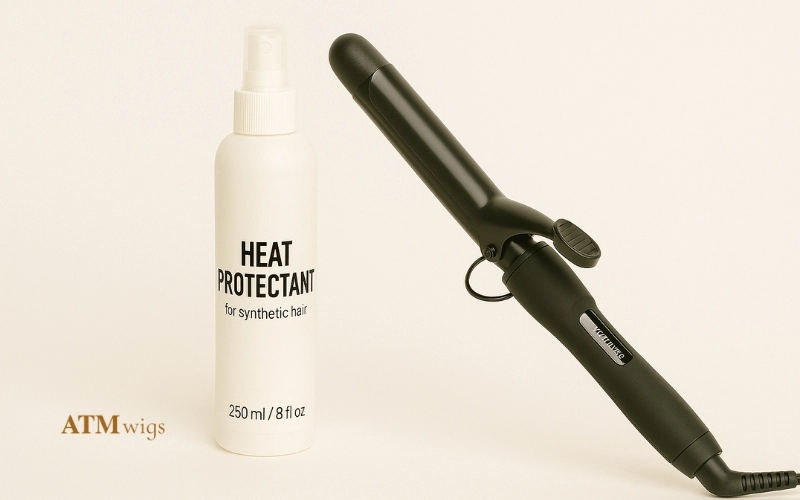
Wig-Safe Heat Protectants (for Heat-Friendly Wigs)
Some of the synthetic wigs are labeled “heat-friendly” or “heat-resistant.” They can handle low to moderate heat styling—but only when done with a compatible heat protectant. Choose:
- A heat protectant specifically designed for synthetic fibers
- Lightweight, silicone-based sprays that condition and encapsulate each hair shaft
- Products that protect up to 180°C (350°F)
Even with protectant, never exceed the recommended heat limit on the product or wig label.
Accessories & Tools That Prolong Wig Life
Wig Brushes and Combs
Applying the proper brush or comb will double the life of your synthetic wig. Never use round brushes or metal-bristled combs designed for natural hair. Instead, opt for:
- Loop brushes that glide through fibers without tearing
- Wide-tooth combs for detangling damp wigs
- Paddle brushes with coated tips for daily touch-ups
Begin at the bottom and work up gently to avoid putting tension on the fibers and cap.

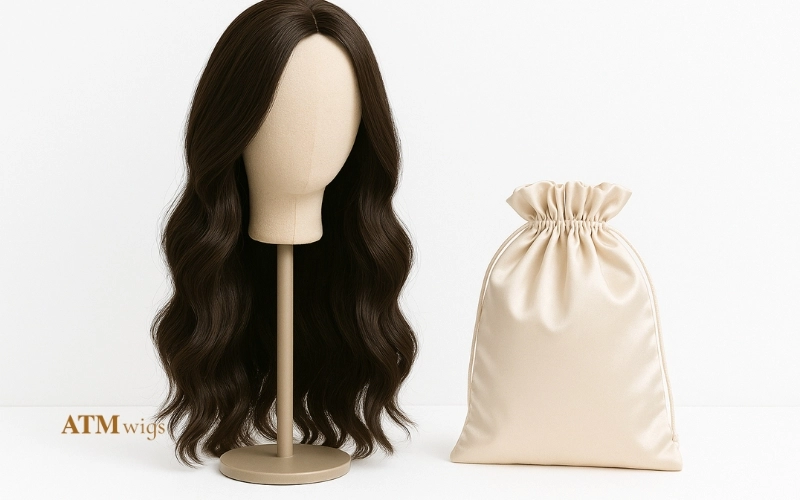
Wig Stands and Storage Solutions
Good storage prevents matting, retains shape, and has your wig ready-to-wear. Use:
- Wig stands (foam or collapsible) for everyday air-drying
- Travel cases for portable storage
- Silk or satin bags to reduce static and friction
Always keep wigs away from direct sunlight, dust, and moisture.
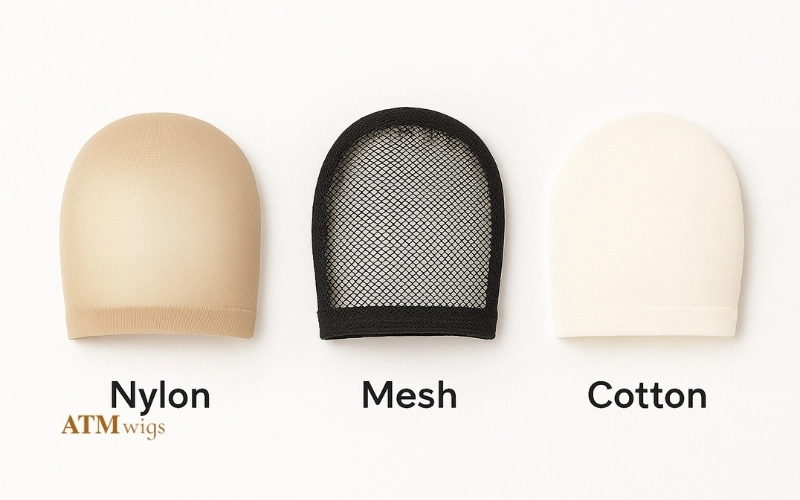
Wig Caps and Liners
Wig caps serve as a base layer between your natural scalp and the wig. They improve comfort, prevent slippage, and protect the wig from oils and sweat. Choose from:
- Nylon caps: breathable and stretchable
- Mesh caps: excellent ventilation
- Bamboo or cotton liners: hypoallergenic options for sensitive scalps
Replacing wig caps regularly also extends the cleanliness of the wig.
Tips for Maintaining Synthetic Wigs Long-Term
How Often to Wash a Synthetic Wig
Too much washing shortens your wig’s lifespan. On the other hand, infrequent washing leads to build-up, odor, and stiffness. Rule of thumb:
- Wash every 6–10 wears
- More regular washes if the wig comes in contact with smoke, perfume, or styling sprays
Wash always in cold water, and let the wig air-dry on a stand.
Mistakes to Avoid with Synthetic Wigs
- Avoid using regular human hair products, as they can damage synthetic fibers. They create residue and damage.
- Avoid heat unless it’s heat-friendly. Never use a blow dryer or curling iron without verifying.
- Don’t sleep or shower in your wig. Moisture and friction cause frizz and tangles.
- Avoid using heavy oils or serums, which may weigh down synthetic fibers and attract dirt. These weigh down the fibers and attract dust.
When to Replace a Synthetic Wig
A well-maintained synthetic wig lasts 4–6 months with regular use. You’ll know it’s time to replace it when:
- The fibers frizz and tangle easily
- The shine becomes dull and uneven
- The cap loosens or no longer fits snugly
- The wig loses its original shape beyond repair
Product Recommendations by Wig Type
For Short Synthetic Wigs
Short wigs won’t tangle as often, but may benefit from a quick-fix routine:
- Use light detangling sprays
- Apply shine-enhancing mist every few wears
- Store on petite stands to maintain the shape

For Long Synthetic Wigs
Long wigs need extra care to stay smooth and manageable:
- Use daily leave-in conditioners
- Detangle before and after each wear
- Spray mid-shaft to ends with anti-frizz mist for best results

For Curly or Textured Synthetic Wigs
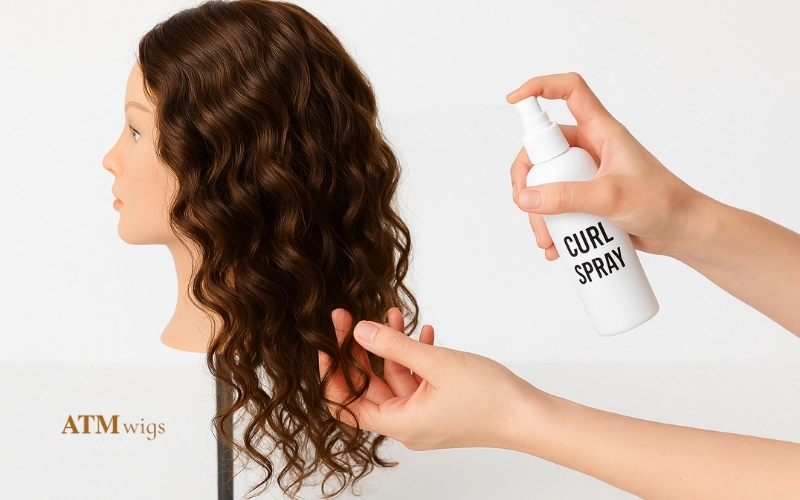
Textured wigs require products that define curls without weighing them down:
- Use fiber-friendly curl sprays
- Do not brush; finger-comb using a detangler
- Dry on stand or diffuser, low (when heat-safe)
FAQs About Synthetic Wig Products
Can I use regular shampoo on synthetic wigs?
No. Normal shampoo contains chemicals that will hurt synthetic fiber. Only use a shampoo designed for synthetic wigs.
What’s the best detangler for synthetic wigs?
A spray detangler for synthetic wigs, along with a loop brush, is best. Find products that soothe the static and restore softness.
How do I make a synthetic wig soft again?
Use a cool water soak and synthetic wig conditioner, and then use a leave-in conditioning spray. Air dry and brush.
Can I use oil on a synthetic wig?
Avoid the oils and heavy serums. Oils attract dust and weigh fibers down. Water-based conditioning sprays are what you should use.
Is heat styling safe for synthetic wigs?
Only if marked as heat-friendliness. Even then, use a heat protectant and adhere to suggested temperature levels.
How often should I wash my synthetic wig?
Every 6–10 uses, based on your setting and use of products. Excessive washing causes fiber break-down.
Using the best products for synthetic wigs is essential to have them look wonderful, feel great, and stay long. From shampoo and detangler to storage tools, the correct regimen does the magic. Visit ATM Wigs to find salon-grade synthetic wig care essentials trusted by professionals worldwide.

