

Are human hair wigs ethical? It’s a question that’s being asked by more resellers and customers as individuals become ever more conscious of fair trade and ethical sourcing. This article talks about how ethical human hair wigs are made, what to look for, and how to make informed and conscious choices.
What Defines Ethical Sourcing in the Human Hair Industry?
Understanding what makes an ethical wig begins at the source. Ethical sourcing involves more than just quality—it is a matter of respect, fairness, and transparency throughout the supply chain.

Voluntary Donation and Fair Compensation
In the most ethical scenarios, hair is donated or sold voluntarily. Donors can donate their hair for religious or charitable reasons, or sell their hair for a fair price. The point is informed consent and equitable compensation. Models of fair trade hair ensure that people behind the product are respected and compensated.
Unethical practices happen when individuals are forced or tricked into giving up their hair. Ethical wig businesses trade only with suppliers who guarantee that all hair has been freely and fairly sourced.
Traceability and Transparency
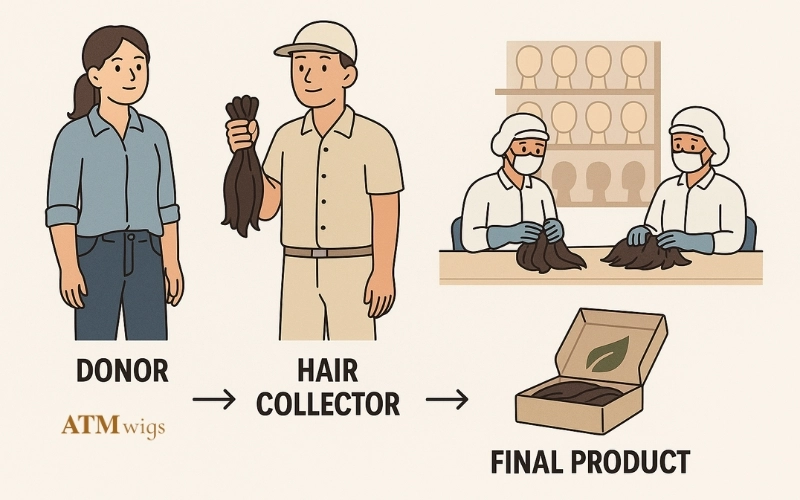
Another key pillar of ethical sourcing is the ability to trace where the hair came from. Ethical companies offer transparent sourcing—meaning they can verify the origin and path of the hair from donor to final product. This transparency reduces the chances of unethical middlemen or black-market activities tainting the supply chain.
ATM Wigs, for example, is committed to transparent sourcing. We only work with suppliers who provide documented origins and ensure donors were treated fairly.
Safe and Humane Collection Practices
Aside from consent and compensation, with what style and how the hair is collected also matters. Humane techniques include hygienic trimming of the hair, safe cutting of it, and with full donor compliance. Damage, unhygienic situation, or psychological harm to anyone is not acceptable. Clean conditions and dignity in handling are not options with ethical collection.
The Global Landscape of Human Hair Sourcing: Dispelling Myths and Understanding Realities
Human hair is sourced from all corners of the globe, each with their own culture, legislation, and ethical concerns. Let’s look at the truth of some of the biggest markets.
The Ethical Considerations of Hair from India
India is among the largest exporters of human hair in the world, owing largely to the religious practice of tonsure—where devotees voluntarily shave their heads in temples as a form of sacrifice. The hair, known as temple hair, is then auctioned by the temples.
Although this may seem like exploitation, the majority of temples use the money for social services like education and healthcare, and donors are aware of where their hair goes. The most significant ethical consideration in this case is whether donors are aware and their hair isn’t prematurely diverted to the temple.
At ATM Wigs, we source Indian hair differently. We partner with suppliers who collect naturally shed hair who voluntarily exchange it for fair compensation. This avoids any religious or commercial grey zones and guarantees a transparent, mutually beneficial exchange.
Sourcing Practices in Other Regions (e.g., China, Brazil, Southeast Asia)
China, Brazil, and Vietnam are also major sources of human hair. Each region presents its own set of ethical standards—or lack thereof. In some areas, hair is collected from salons or through street-level agents, and traceability is often unclear.
Brazilian and Southeast Asian hair is prized for quality and texture, but there is much to watch out for. Some businessmen do business fairly, giving proper compensation and transparent channel of origin. Others push their workers around. Always deal with suppliers who are prepared to reveal their channel and audit trail to you.
Combating Unethical Practices
Its shadow side consists of coerced hair sales, child labor, and black-market procurement. Donors may not be aware, earn below a living wage, or even be coerced. Unfortunately, unregulated markets persist, especially on the internet, where inexpensive products come at a high ethical cost.
Ethical brands fight back with intense due diligence, requesting certification, paperwork, and frequent audits on their partners. Consumers also get involved by not purchasing suspiciously inexpensive wigs and questioning the right things in advance.
The Impact of Processing and Manufacturing on Ethical Standards
Ethics don’t stop at sourcing. The processing and manufacturing activities also bear repercussions.
Eco-Friendly and Sustainable Processing
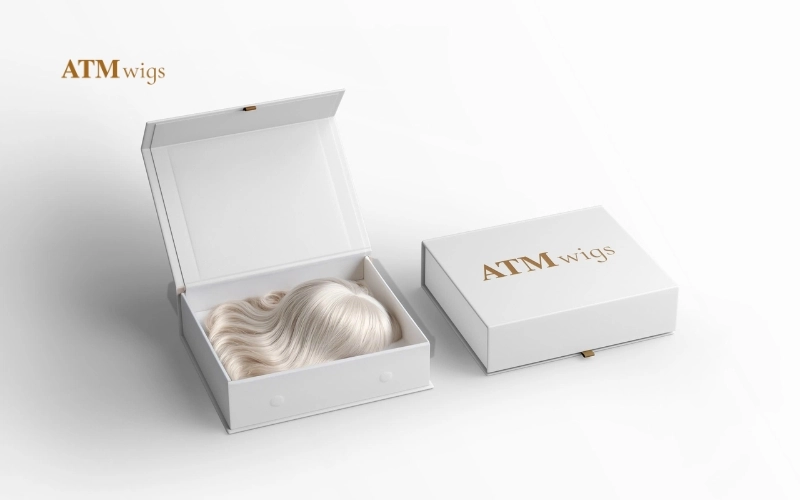
Green brands reduce environmental harm by using less water, less chemicals, and biodegradable packaging. Traditional wig processing is high in toxic bleaching and coloring that pollutes waterways. Ethical manufacturers attempt to restrict this impact.
ATM Wigs is making the shift to more sustainable practices, including reduced chemical application and minimized waste. We discover sustainability enhances—not compromises—the finished product.
Fair Labor Practices in Manufacturing
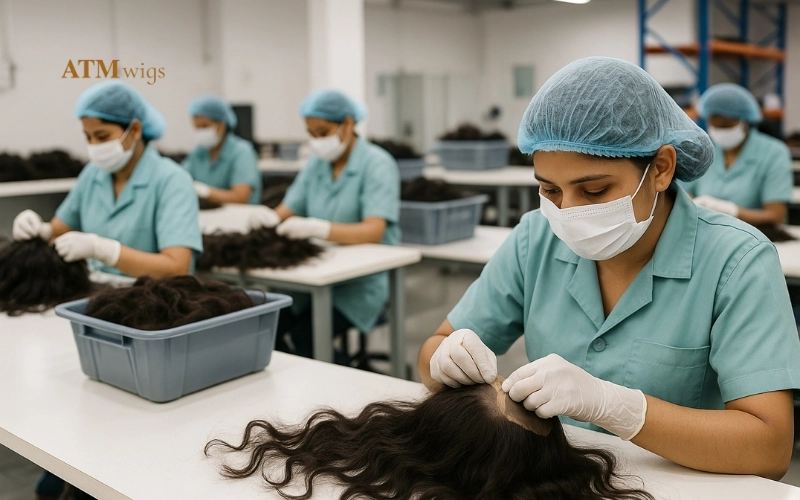
The majority of wig factories are found in developing countries where labor laws may be relaxed. Ethical production would mean that every worker receives a fair wage, works in safe conditions, and is treated with dignity.
Factories should avoid child labor, dangerous working conditions, and exploitative contracts. Ethical wig manufacturers go beyond compliance by building long-term, values-aligned relationships with producers. ATM Wigs audits our partners regularly to promote fair and safe working conditions.
How to Choose an Ethically Sourced Human Hair Wig (For Consumers and Resellers)
Conscious purchasing starts with asking the right questions and doing some research.
Researching Reputable Brands and Suppliers
Start by choosing brands that are concerned about ethics and show it. See if they are transparent with respect to sourcing, manufacturing, and how workers are treated. Ethical brands are likely to disclose their supplier relationships, sourcing areas, and values on their websites.
ATM Wigs is transparent regarding our sourcing avenues and dedication to equity. This openness establishes trust and distinguishes us in a competitive marketplace.
What Questions to Ask Before Purchasing
Ask questions like:
- Where is this hair sourced from?
- Was the donor compensated fairly?
- How do you ensure traceability?
- Are your manufacturing partners audited for labor practices?
Good suppliers will have answers. If they dodge your questions, that’s a red flag.
Certifications and Guarantees
Seek third-party certifications like Fair Trade, SA8000 (for labor conditions), or ISO certifications. While not everything certified is ethical, these labels provide an added degree of proof of compliance.
ATM Wigs backs up its moral claims using paperwork from suppliers, internal audits, and a quality guarantee.
ATM Wigs’ Commitment to Ethical Human Hair Sourcing

At ATM Wigs, ethics is not a catchphrase—it’s the foundation on which we do business. From donor to delivery, we hold ourselves to high standards of transparency, fairness, and sustainability.
Our Sourcing Philosophy and Partnerships
We obtain our goods from producers who value consent, cleanliness, and ethical commerce. In India, for example, our hair is collected either by natural shedding – never cut from exploitative sources. Donors are ever compensated fairly and with respect.
We prioritize partnerships with business associates who value the importance of clean, traceable and transparent sourcing. We ensure that all the hair that we utilize is traceable, and our business associates are audited on a regular basis to ensure ethical integrity.
Ensuring Quality and Ethics Hand-in-Hand
Others believe ethics subtract from quality. Not so. Ethically sourced hair is usually better maintained, healthier, and more durable. Spending in ethics means that our top-quality human hair wigs are something our customers can rely on and feel confident wearing—or reselling.
As a salon owner, retailer, or consumer, choosing ATM Wigs is choosing a company that cares about people and the planet.
The Future of Ethical Human Hair: A Collective Responsibility
The path ahead is one that we all must walk together—consumers, producers, and suppliers.
Consumer Power and Informed Choices
Your choice matters. In making the choice to purchase ethically sourced wigs, you make one thing absolutely clear: exploitation will not be accepted. Ask tough questions, do some homework, and choose suppliers of integrity.
Industry Standards and Advancements
Efforts to make ethical practices mainstream across the entire wig industry are underway. Among these are blockchain tracking systems, sustainability certifications, and collaboration between suppliers and brands in terms of joint audits. Such technologies are created to make ethical sourcing the norm—a rule rather than an exception.
FAQs: Are human hair wigs ethical
Is all human hair for wigs ethically sourced?
No, not all of it. Some of it is sourced through exploitative or non-consensual channels. Be very sure to thoroughly screen suppliers.
How can I tell if a human hair wig is ethically sourced?
Look for open sourcing, transparent records, and businesses that will ask questions. Certifications are also a good idea.
What are the risks of buying unethically sourced human hair?
You may unknowingly support exploitation or environmental harm. Quality may also be lower due to poor handling.
Do ethical human hair wigs cost more?
Slightly, yes. Ethical sourcing involves fair pay and responsible practices—but the result is superior quality and peace of mind.
Does ATM Wigs ensure ethical sourcing for all its human hair products?
Yes. We work with only trusted, vetted sources that use strict ethical practices.
Are synthetic wigs more ethical than human hair wigs?
Not necessarily. While synthetic wigs avoid labor issues, they’re made from non-biodegradable plastics and have a larger environmental footprint.
So, are human hair wigs ethical? They sure can be—when bought and made with care, integrity, and respect. Find ATM Wigs‘ responsible human hair collections and create quality with a conscience

