


Can synthetic wigs get wet? Yes, they can. But the better question is what happens after rain, sweat, showers, or swimming, and how to care for the wig so the fibers stay smooth, wearable, and presentable.
Can synthetic wigs get wet? The short answer
Yes, synthetic wigs can get wet.
Water itself does not usually ruin synthetic fibers. A synthetic wig can handle light rain, normal moisture, and controlled rinsing. The real issue is not the water alone, but the combination of friction, heat, chlorine, salt, and poor aftercare.
That is why a wig that gets damp in the rain is very different from a wig exposed to pool water, heavy sweat, or a hot shower. The wig may still be wearable, but how you dry and handle it afterward matters a lot.

What happens to synthetic fiber when it gets wet?
When synthetic fiber gets wet, it usually becomes heavier and less airy for a while. The style may look flatter, the strands may cling together more, and the wig may feel less polished until it dries.
This does not always mean damage. In many cases, the look improves once the wig is dried properly. Synthetic fiber is designed to hold its style better than many people expect, but wet conditions can still make tangling, flattening, and friction more noticeable.
The biggest problem is usually not the water itself. It is what happens while the wig is wet, especially rubbing, pulling, rough brushing, or exposure to harsh water conditions.
Wet synthetic fibers may look flatter at first
Straight synthetic wigs may lose some bounce after getting wet. Wavy or curly styles may also look less defined until the fibers are dry and settled again.
This change is often temporary. A properly dried wig can regain much of its original shape, especially if the fibers are still in good condition.
Tangling usually increases when the wig is wet
Wet synthetic fibers can stick together more easily. That makes knots and friction worse, especially on long wigs and at the nape.
If the wig is brushed too early or too roughly, the texture can start to look more worn. Gentle aftercare is what helps prevent that.
Water exposure is not the same as fiber damage
Many people assume any moisture is bad for synthetic hair. In reality, clean water is very different from chlorinated pool water, saltwater, or damp fibers being rubbed against clothing.
That distinction is important. The water may be manageable, but the conditions around it often decide how the wig holds up.

Can you wear a synthetic wig in the rain or when sweating?
Yes, in many cases you can.
This is one of the most practical parts of the question. People do not only ask can synthetic wigs get wet because of washing. They ask because real life includes drizzle, humidity, warm weather, commuting, and long wear.
A synthetic wig can usually handle light rain and everyday sweating. The bigger concern is how much moisture builds up and whether the wig starts tangling, flattening, or feeling uncomfortable.
Light rain is usually manageable
A little rain normally will not ruin a synthetic wig. The fibers may lose some lift, and the ends may need light detangling later, but the wig is often still fine.
That is especially true if you dry it properly afterward instead of leaving it damp or crushed.
Sweat can affect comfort and texture
Sweat does not usually damage synthetic fibers the way heat can, but it can still affect how the wig feels and behaves. Moisture from the scalp and neckline can lead to more tangling, especially in hot weather.
If you wear a synthetic wig daily, sweat buildup can also make the cap feel less fresh over time. That is why post-wear care matters, even if the wig was not soaked.
Long wear in heat may mean more aftercare
Warm weather, exercise, and busy days can all increase friction and moisture. In those cases, the wig may need more time to air out, more gentle detangling, or earlier cleaning than usual.
That does not mean you cannot wear it. It just means real-life wear can increase maintenance.

Can you shower with a synthetic wig on?
You can, but it is not ideal.
A shower is not the same as a careful rinse or a controlled wash. It adds heat, steam, product residue, and more movement than a synthetic wig usually needs.
That is why shower exposure is more of a “can happen” situation than a recommended habit. The wig may survive it, but repeated shower wear can create extra tangling and style disruption.
Shower water is not the only issue
The problem is not just getting the wig wet. It is also the steam, the temperature, and leftover product from shampoo, conditioner, or body wash.
These factors can make the fibers feel heavier or less clean-looking, even if the wig is not technically damaged.
A controlled rinse is very different from shower wear
When you care for a synthetic wig intentionally, you can use cool water, gentle handling, and the right products. In a shower, there is usually far less control.
That is why regular showering in a synthetic wig is usually not the best choice if you want to protect the style and fiber finish.

Can you swim in a synthetic wig?
You can, but it is not the best routine for preserving the wig.
This is where the article needs to go beyond the simple yes-or-no answer. A synthetic wig may get wet in a pool or at the beach, but swimming creates a very different kind of exposure than rain or routine moisture.
Pool water and seawater can both make aftercare more important. The wig may still be usable, but the fibers often need more attention afterward.
Pool water is harsher than regular water
Chlorine can leave synthetic fibers feeling drier or rougher over time. It may also increase tangling and reduce the wig’s smooth finish if exposure happens often.
That is why occasional pool exposure is one thing, but repeated swimming in the same wig can shorten its lifespan.
Seawater can increase friction and roughness
Saltwater can cling to the fibers and make them feel less soft once dry. It can also make detangling more difficult, especially on long synthetic wigs.
The wig may not be ruined after one exposure, but it usually needs better aftercare than a wig that only got caught in light rain.
Swimming is possible, but not ideal for regular use
Some people choose to wear a synthetic wig for swimming because of comfort, confidence, or convenience. That is understandable.
Still, if your goal is to keep the wig looking fresh for longer, regular swimming is not usually the best habit for standard synthetic fibers.

What chlorine and saltwater can do to synthetic fibers
Chlorine and salt do not always cause instant damage, but they can make a synthetic wig harder to manage over time.
The change is often gradual. The fibers may start to feel rougher, tangle faster, or lose some of their smooth finish and movement.
This matters because many users assume water is water. It is not. Rain, rinse water, pool water, and seawater can all affect the wig differently.
Chlorine may dry the fibers out
Chlorine exposure can leave the wig feeling less soft, especially if the fibers are already older or lower in quality.
The more often this happens, the more noticeable the change can become.
Saltwater may leave residue and more drag
Salt can sit on the fibers until it is rinsed away. That can increase friction and leave the wig feeling less silky once dry.
This is why rinsing soon after sea exposure is one of the most helpful things you can do.

What to do right after a synthetic wig gets wet
Once a synthetic wig gets wet, the goal is simple: reduce stress on the fibers.
You do not need an elaborate rescue routine. What matters most is avoiding the habits that create extra wear while the wig is damp.
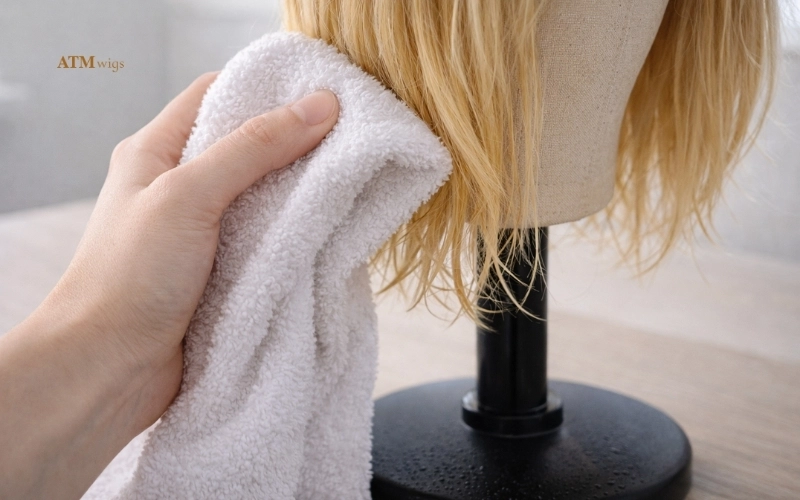
Blot away excess water gently
Use a microfiber towel or a soft towel to press out extra moisture. Do not rub the hair back and forth.
Rubbing creates friction, and friction is one of the fastest ways to make synthetic hair look rougher.
Rinse out chlorine or salt as soon as possible
If the wig was exposed to pool or sea water, rinse it with clean cool water soon afterward. This helps remove chlorine or salt before it dries into the fibers.
That quick step can make a big difference in how the wig feels later.
Let the wig settle before detangling too much
A soaking wet synthetic wig is not the best time for aggressive brushing. Let some moisture come out first, then detangle gently and patiently.
This helps lower the risk of stretching, pulling, or worsening knots.
How to dry a synthetic wig properly
Drying is where good aftercare really shows.
A synthetic wig that is dried well often looks much better than one that was handled roughly, even if both were exposed to the same amount of water.
Let it air dry on a wig stand
A wig stand allows air to move around the cap and the fibers. It also helps the wig keep a more natural shape while drying.
For most standard synthetic wigs, air drying is the safest and easiest option.
Avoid twisting, wringing, or high heat
Twisting the wig can stress the fibers and distort the shape. High heat can create even bigger problems, especially on standard synthetic hair.
Unless the fiber is specifically labeled heat-friendly, it is best to avoid direct heat during drying.
Detangle only with a light hand
Once the wig is partly dry or fully dry, use a wide-tooth comb or wig-friendly tool and start from the ends.
The goal is to guide the fibers back into place, not force them.

How long does it take a synthetic wig to air dry?
The answer depends on the wig.
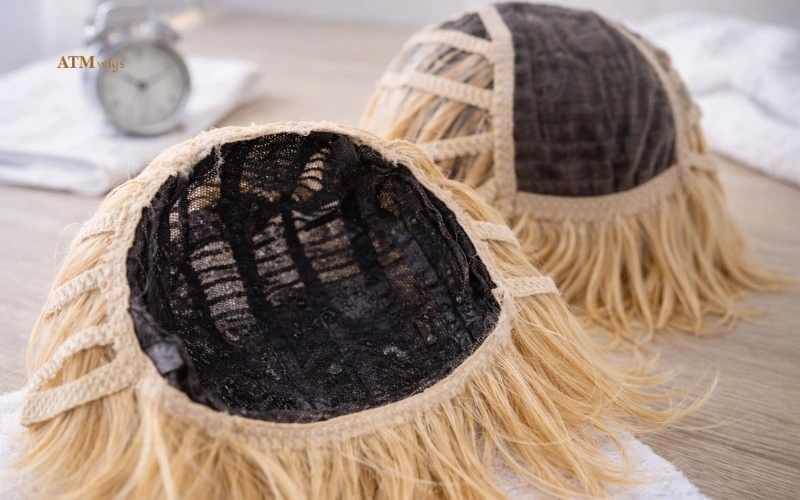
A short synthetic wig with lower density may dry in a few hours. A longer, denser wig can take much longer, especially if the cap holds more moisture or the air is humid.
Room temperature, airflow, hair length, fiber density, and cap construction all affect drying time. If the weather is humid, the process may take noticeably longer.
This is one reason it is smart not to store or wear the wig again too quickly. Even if the outside looks dry, the cap may still be damp underneath.
What not to do after a synthetic wig gets wet
Sometimes the wrong aftercare causes more damage than the water itself.
That is why this topic should stay separate from a routine wash guide. Get wet articles are about handling the situation well, not running through a full washing method every time.
Do not rub the wig hard with a towel. Do not wring it out. Do not blast it with high heat unless the fiber is clearly heat-friendly. And do not force a comb through wet tangles.
These habits can make the wig frizzier, rougher, and harder to manage than the original water exposure did.

FAQs about synthetic wigs and water
Can synthetic wigs get wet in the rain?
Yes. Light rain usually will not ruin a synthetic wig, though you may need to dry it and detangle it gently afterward.
Can synthetic wigs get wet from sweat?
Yes. Sweat does not usually ruin the fibers, but it can increase tangling, reduce freshness, and make the wig feel less comfortable during long wear.
Can you shower with a synthetic wig on?
You can, but it is not ideal. Steam, hot water, and product residue make shower exposure less controlled than proper wig care.
Can you swim in a synthetic wig?
Yes, but repeated exposure to chlorine or saltwater can make the wig rougher, drier, and harder to manage over time.
What happens to synthetic fiber when it gets wet?
The fiber usually becomes heavier, flatter, and more likely to tangle until it dries. This does not always mean permanent damage.
What should you do after chlorine or saltwater exposure?
Immediately rinse your wig with clean, cool (not cold) running water. Blot up excess moisture gently and allow it to air dry on a wig stand.
How long does a synthetic wig take to dry?
The drying time for synthetic wigs will vary depending on their length and density; longer, denser wigs typically take longer to dry than shorter styles and humidity and type of cap will affect the drying process as well.
So, can synthetic wigs get wet? Yes, but the real key is knowing how to handle rain, sweat, showers, or swimming afterward. For more expert wig care guidance and ready-to-wear styles, explore the ATM Wigs catalog and discover options designed for real everyday life.

