

Human hair wigs are the indulgent choice for anyone wishing to achieve the most realistic look and feel. But just how long do human hair wigs last —and how can you make them last the longest? This guide informs you exactly about that and more.
Factors That Influence the Lifespan of Human Hair Wigs
The life span of a high-quality human hair wig is 1 to 3 years, but it ranges widely depending on the way the wig is made, how often it’s worn, and how well it is cared for. Let’s take a closer look at what determines its life span.
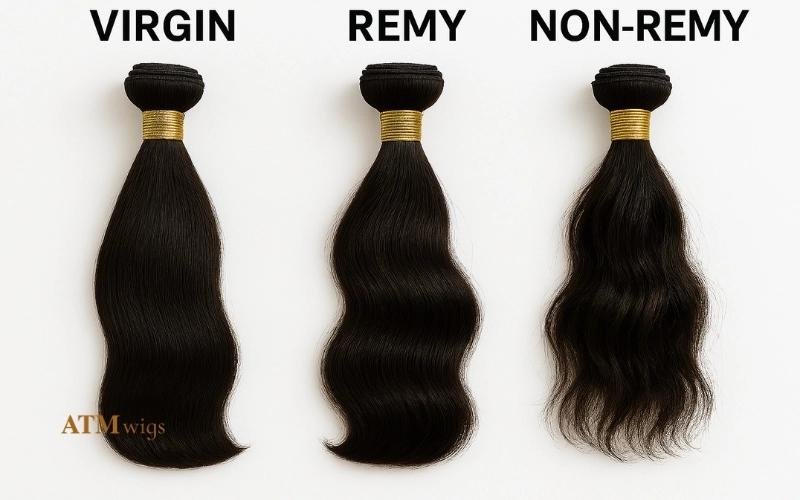
The Quality of the Human Hair Itself
Virgin hair wigs, made of unprocessed hair with all cuticles intact, give the longest life span—an average of 2 to 3+ years under proper care. Virgin wigs do not tangle easily, retain natural moisture, and stay longer in style.
Remy hair is another quality alternative, with cuticles all in one direction. While processed the least, Remy wigs last about 1 to 2 years, offering great durability and styling ease.
Non-Remy hair, however, is processed to a high level, often with cuticles stripped away. These wigs will tangle and last only 6 months to a year, even when treated with very gentle care.
Hair origin also factors in. For example, European hair will be lighter, while Indian or Brazilian hair may be heavier and more resilient—both in different ways prolonging life.
Wig Cap Construction and Craftsmanship
How your wig is made has a huge impact on how long it will last. Hand-tied wigs offer natural movement and increased breathability, but are more delicate. Machine-made wigs will be stronger and will likely be able to withstand the general wear and tear of daily use.
Lace fronts and monofilament tops give a more natural look but require special care. The material the base is made of also dictates the wig’s strength over time.

Frequency and Type of Use
Wearing your wig daily? Expect more wear and tear. Daily wear creates more friction, sweating, and styling stress, which takes a toll on its lifespan. The average daily user will see their wig last 6 to 12 months.
Wear your wig occasionally—a few parties here and there or 3 days per week—and it can easily last 2 to 3 years or more.
Want to get the best out of your wigs? Alternate between two or more pieces. This gives each wig time to rest and recover between uses, extending its lifespan overall.

Wig Care and Maintenance Habits
How you care for your wig is just as important as the quality itself.
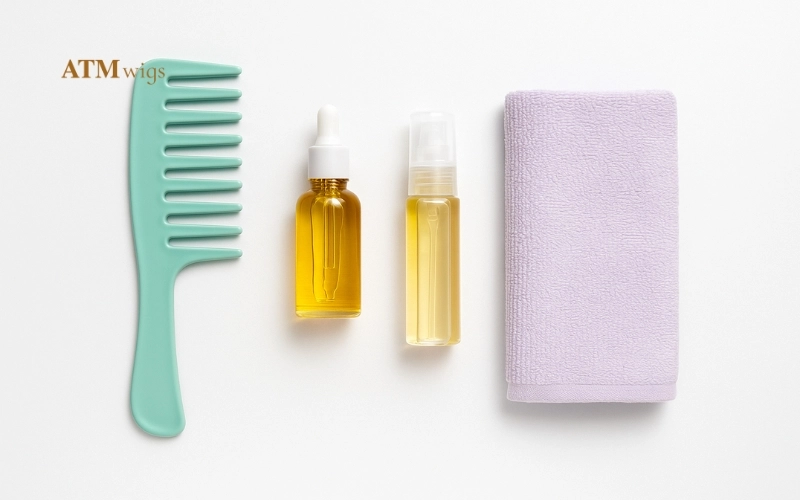
- Washing: Lukewarm water and sulfate-free, alcohol-free human hair wig shampoo need to be used. Over-shampooing dries out the hair strands, while under-shampooing causes buildup.
- Conditioning: Apply moisturizing conditioner every wash. Focus on the ends, and avoid the roots to prevent damage to the cap.
- Styling: Employ fewer heat devices. Style while never forgetting the heat protectant spray and low heat.
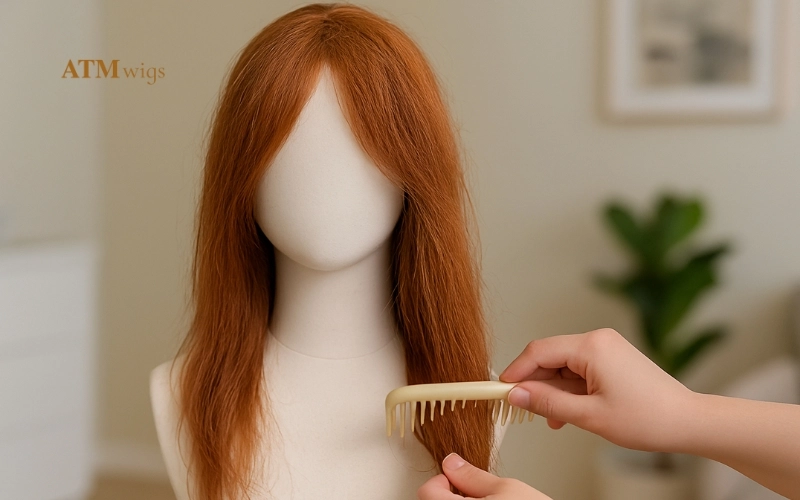
- Brushing: Employ a wide-tooth comb or wig brush. Gently brush out any tangles, starting from the ends and going up.
Regular care can double the life of your wig—don’t skip it.
Environmental Factors
Exposure to the environment impacts the lifespan of human hair wigs.
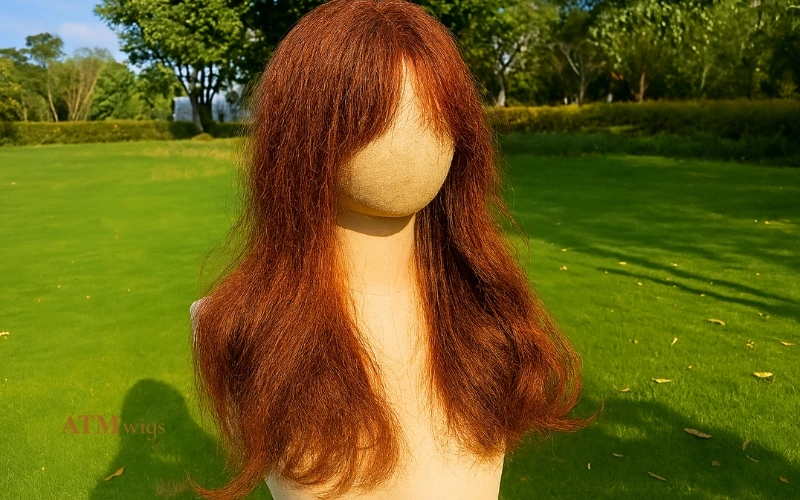
Sunlight causes hair to dry out and bleach, particularly if the wig is color-treated. If you spend a lot of time outside, use UV-protectant products.
Humidity and extreme temperatures can make hair puff up, become knotted, or lose its shape. Keep your wig in a cool, dry place when not being worn.
And don’t forget friction—from hats, scarves, or collars—that can fray hair fibers and cause frizz and matting over time.
How to Make Your Human Hair Wig Last Longer
Beware: proper care isn’t just about washing—it’s about developing daily habits that help keep the quality of your wig intact over time.
Daily and Weekly Must-Do Habits
- Gently brush your wig after every wear.
- Do not sleep in it or on a satin bonnet or silk pillowcase if you must.
- Use products moderately—select lightweight, wig-friendly serums if needed.
Washing and Conditioning Best Practices
Shampoo your wig every 7 to 10 uses, or sooner if it becomes greasy or brittle. Do not soak in hot water, and never wring out the hairs.
Rather, blot with a soft towel and flat or stand-dry on a wig head stand. Avoid blow-drying unless absolutely necessary—and on low heat if you must.
Smart Wig Storage Tips
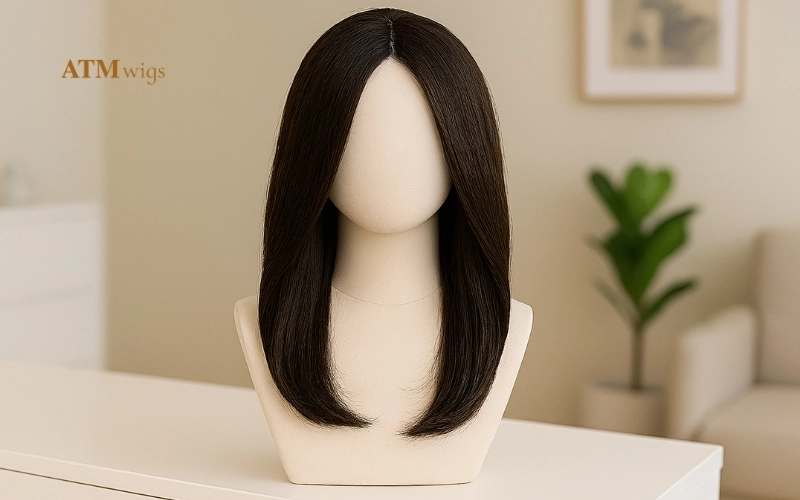
Store your wig on a mannequin head or wig head stand when not in use so it won’t lose its shape.
Put it out of direct sunlight and dust, preferably in an air-permeable silk or mesh bag. For long-term storage, make sure to have it clean and completely dry.
Professional Wig Maintenance
Not all that’s worn out can be fixed at home. Occasionally, get your wig to a professional stylist or wig specialist for deep conditioning, lace touch-ups, or cap readjustments.
These are treatments that can substantially enhance the life of your wig and make it look salon-fresh.

When to Replace Your Wig
Even the most gorgeous wigs eventually wear out. These are signs that it’s time to get a replacement:
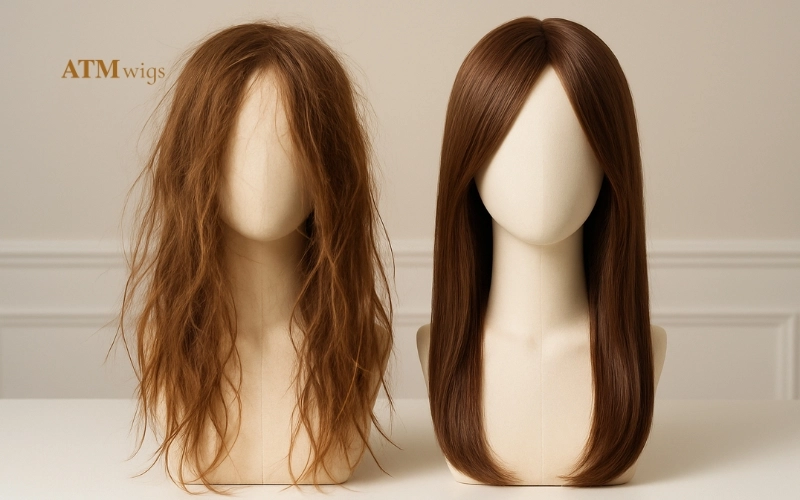
- Severe tangling or matting that cannot be brushed out
- Permanent dryness or frizz despite conditioning
- Visible shedding, bald patches, or lace damage
- A style or fit that no longer suits your needs
When a wig doesn’t feel or look just right, it is best to replace it instead of trying to revive it past its lifespan.
Human Hair Wigs vs. Synthetic Wigs: Which Lasts Longer?
Let’s compare:
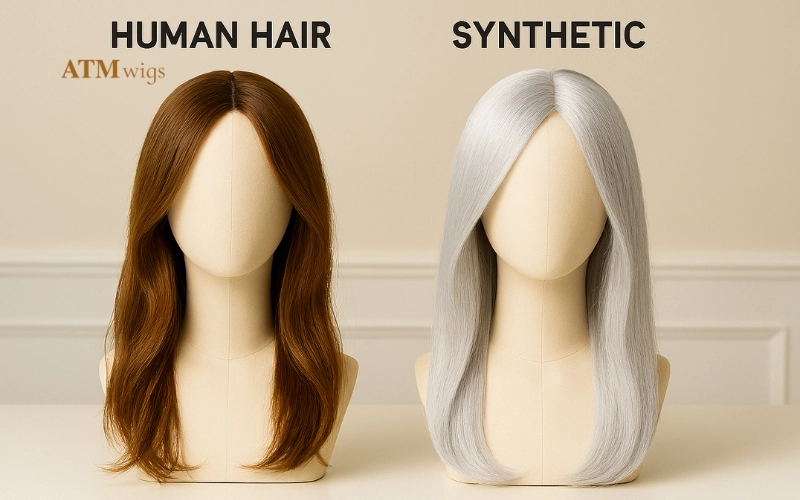
- Human hair wigs: Will last 1–3+ years, are extremely realistic, and can be heat-styled like your own hair.
- Synthetic wigs: Will typically last 4–6 months of daily wear and will not accept high heat or coloring.
Synthetic wigs may be cheaper, but human hair wigs are more of a bargain in the long run since they can be worn for longer and styled so many different ways.
FAQs About “How long do Human hair wigs last?”
Can I wear a human hair wig every day?
Yes, but expect a briefer life span—6 to 12 months with daily wear. Rotate wigs to get the most use.
How often should I wash my human hair wig?
Every 7–10 times worn, or as soon as there is visible gunk. Don’t wash it too frequently.
Can I dye or perm my wig?
You can, but it shortens the wig’s life span. Have professional services and quality products used.
What’s the best way to store my wig?
On a wig stand in a cool, dry place. Use a silk or mesh bag for dust-free storage.
Is it safe to swim with a human hair wig?
Not recommended. Chlorine and saltwater damage hair and caps. If necessary, rinse and deep condition immediately after.
Is a more expensive wig worth it?
Yes—high-quality wigs made from virgin or Remy hair, with superior construction, last longer and require fewer replacements in the long term.
How long do human hair wigs last, then? With good-quality materials and the proper care regimen, your wig can serve you beautifully for years. Find ATM Wigs‘ superior human hair wigs, toppers, and toupees—constructed to offer lasting beauty, comfort, and value for each style need.

